

Unauthorized access often begins with identity gaps at entry points, where traditional visual checks and static ID cards fail to provide real-time verification. Digital identity verification systems solve this problem by using multi-factor authentication methods such as biometric scanning, QR-based passes, and time-sensitive digital credentials. These systems ensure that only individuals with valid, current permissions can enter a facility, reducing the chance of stolen or shared access passes being used.
A strong digital identity system also creates a unified database of authorized individuals, making it easier to manage large numbers of employees, contractors, and visitors. When changes occur, such as role upgrades, employee termination, or contract expiration, access rights can be instantly updated. This removes the dangerous delay that often happens when relying on manual processes or outdated badge systems.
Over time, digital verification builds a visible culture of security within the building. People become more aware that access is monitored and validated, which discourages internal and external attempts to bypass controls. The presence of modern authentication systems sends a clear message that the organization prioritizes safety, accountability, and secure movement within its facilities.
How Smart Entry Technologies Strengthen Building Perimeter Security
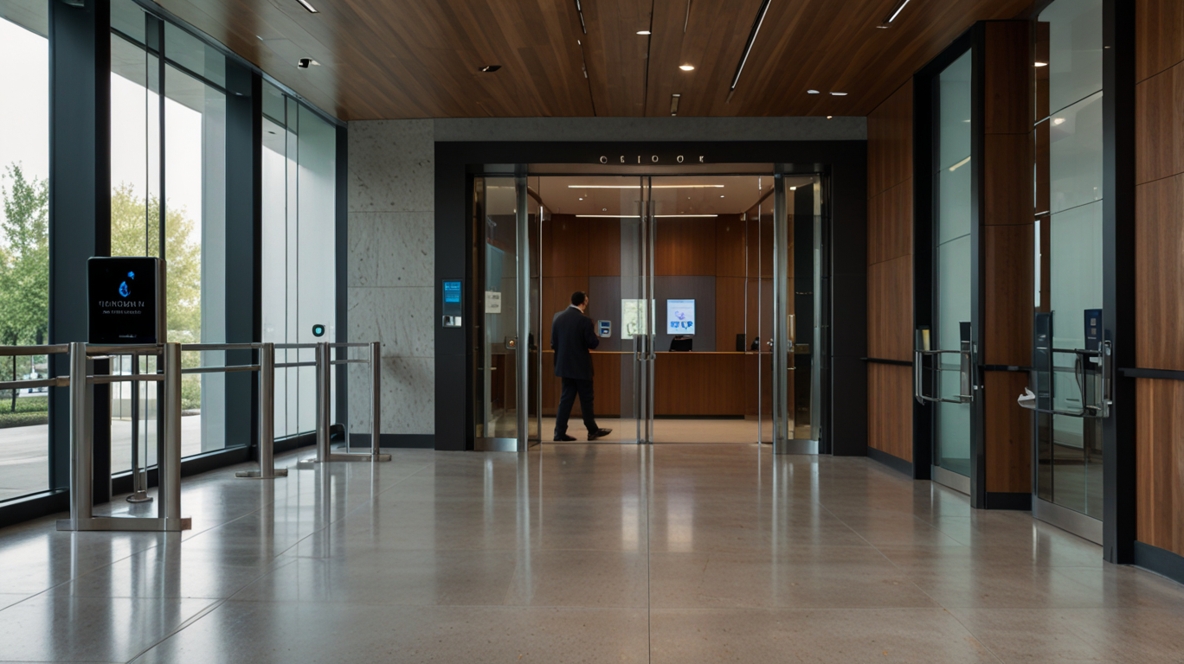
Smart entry technologies act as the first line of defense by controlling movement at every access point. Devices such as smart turnstiles, keyless locks, and automated gates prevent unauthorized individuals from slipping in through unsecured or poorly monitored entrances. These systems are designed to function continuously and consistently, eliminating human error that often occurs with manual security checks.
By integrating with centralized security platforms, smart entry systems create a real-time overview of all activity occurring at entry points. Security teams can instantly view who entered, at what time, and through which door. Any unusual activity, such as repeated failed entry attempts or access outside approved hours, is automatically flagged for immediate attention.
Another major advantage of smart entry technology is scalability. Whether a building has five access points or fifty, the system can expand without compromising performance or control. This makes it especially valuable for high-rise offices, mixed-use facilities, and campuses where complex access scenarios are common and require consistent monitoring.
Using Real-Time Monitoring to Detect and Prevent Intrusion Attempts

Real-time monitoring systems allow building administrators to track access behavior the moment it happens. Instead of relying on post-incident reviews or delayed reporting, security teams receive instant alerts when suspicious activity occurs. This immediate visibility makes it possible to respond before a situation escalates into a serious security breach.
Surveillance cameras integrated with access control systems provide a powerful layer of visual verification. When someone attempts to enter a restricted area, the system not only logs the attempt but also links it with live video footage. This combination of data and visuals strengthens investigation processes and improves the accuracy of security assessments.
Over time, real-time monitoring also helps identify patterns that may go unnoticed in traditional security environments. Repeated attempts from the same access point, unusual entry times, or abnormal movement through the building can all be detected through intelligent monitoring systems. These insights allow organizations to proactively adjust security policies and reinforce weak points before actual incidents occur.
Restricting Physical Movement Inside Buildings With Access Zoning Strategies

Access zoning is a practical method of limiting movement within a building by dividing spaces into controlled zones. Each zone requires specific permissions, ensuring that individuals can only access areas that are relevant to their role or visit purpose. This reduces the risk of unauthorized presence in sensitive locations such as data rooms, executive offices, and server facilities.
When access zoning is managed through digital systems, the process becomes highly adaptable. Organizations can assign temporary permissions for visitors, contractors, or maintenance staff, and automatically revoke those permissions once the task is completed. This eliminates the common risk of forgotten or lingering access rights that often lead to internal security vulnerabilities.
Access zoning also improves visibility and accountability across the organization. By tracking who enters and exits each secure zone, administrators gain a clear picture of movement patterns and potential risk points. This layered approach ensures that even if someone gains entry into the building, their ability to move freely is strictly limited and continuously supervised.
Leveraging Data Analytics to Predict and Stop Unauthorized Access Before It Happens

Data analytics transforms raw access logs into meaningful security intelligence. By analyzing entry times, user behavior, and access point usage, systems can identify irregular activity that may signal a future security threat. This predictive capability allows organizations to strengthen defenses before a breach occurs rather than reacting after damage is done.
Machine learning algorithms enhance this process by continuously improving their detection accuracy. As more data is gathered, the system becomes better at distinguishing between normal activity and suspicious behavior. For example, if an employee suddenly attempts to access a restricted zone during unusual hours, the system can flag this event and notify security staff immediately.
Long-term use of analytics creates a powerful foundation for strategic security planning. Facility managers can understand which areas require additional controls, which access points are most vulnerable, and how human behavior affects building security. This level of insight enables smarter investments in security infrastructure and fosters a proactive approach to preventing unauthorized access.
RELATED POSTS

How to Identify Suspicious Visitor Behavior in the Workplace
Workplace security begins with awareness, and one of the most critical components of that awareness is understanding how visitors behave within your premises. Every organization receives a variety of visitors daily, from clients and vendors to delivery personnel and...

The Future of Access Control in Modern Offices
Modern office access control has evolved far beyond traditional locks, keys, and basic ID cards. Early systems were primarily reactive, designed to restrict entry rather than intelligently manage movement within a workspace. As offices grew larger and more dynamic,...

How Visitor Badges Improve Workplace Safety
Visitor badges play a foundational role in establishing clear identity within a workplace, ensuring that every non-employee present can be immediately recognized. In modern offices where open layouts and shared spaces are common, it can be difficult to distinguish...

Comparing Manual vs. Digital Visitor Tracking
Manual visitor tracking has been a long-standing practice in offices, schools, residential buildings, and government facilities. At its core, the system involves a physical logbook or sign-in sheet where visitors write down personal information such as their name,...