
Workplace security begins with awareness, and one of the most critical components of that awareness is understanding how visitors behave within your premises. Every organization receives a variety of visitors daily, from clients and vendors to delivery personnel and job applicants. While most visitors have legitimate intentions, it only takes one suspicious individual to create a serious security risk. Recognizing behavioral red flags early can prevent theft, data breaches, or even physical harm. Businesses that prioritize visitor monitoring are better equipped to maintain a safe and controlled environment.
Observing visitor behavior is not about profiling individuals but rather identifying patterns that deviate from normal expectations. Suspicious actions often reveal themselves through subtle inconsistencies, such as hesitation when providing identification, avoiding eye contact, or giving vague answers about the purpose of their visit. These behaviors may indicate that the individual is unsure of their story or attempting to conceal their true intentions. Training staff to recognize these signs is essential in strengthening the first line of defense.
Organizations should also establish clear visitor policies and procedures to create a consistent framework for identifying unusual behavior. When employees understand what “normal” visitor behavior looks like, it becomes easier to detect anomalies. This includes proper check-in processes, visible identification badges, and restricted access zones. By setting these standards, businesses can reduce uncertainty and ensure that any deviation is immediately noticeable and addressed promptly.
Common Signs of Suspicious Visitor Behavior

Suspicious visitor behavior often manifests through observable actions that can be identified with proper training and attention to detail. One of the most common signs is a visitor attempting to bypass standard procedures, such as refusing to sign in, avoiding badge requirements, or insisting on entering restricted areas without authorization. These actions suggest a deliberate attempt to evade security protocols and should be treated with caution. Employees should be encouraged to politely but firmly enforce all procedures without exception.
Another red flag is unusual movement within the workplace. Visitors who wander without clear direction, frequently change destinations, or linger in areas unrelated to their stated purpose may be conducting surveillance or searching for opportunities to exploit vulnerabilities. For example, someone who claims to be meeting a staff member but instead spends time observing office layouts or security systems should raise immediate concern. Monitoring such behavior is crucial in preventing potential incidents.
Behavioral cues such as nervousness, excessive curiosity, or overly detailed questioning about internal operations can also indicate suspicious intent. While curiosity alone is not inherently harmful, repeated probing into sensitive areas like security measures, employee schedules, or restricted systems may suggest malicious intent. Employees should be trained to recognize when curiosity crosses into risk and to report such interactions to security personnel without delay.
The Role of Employees in Identifying Threats
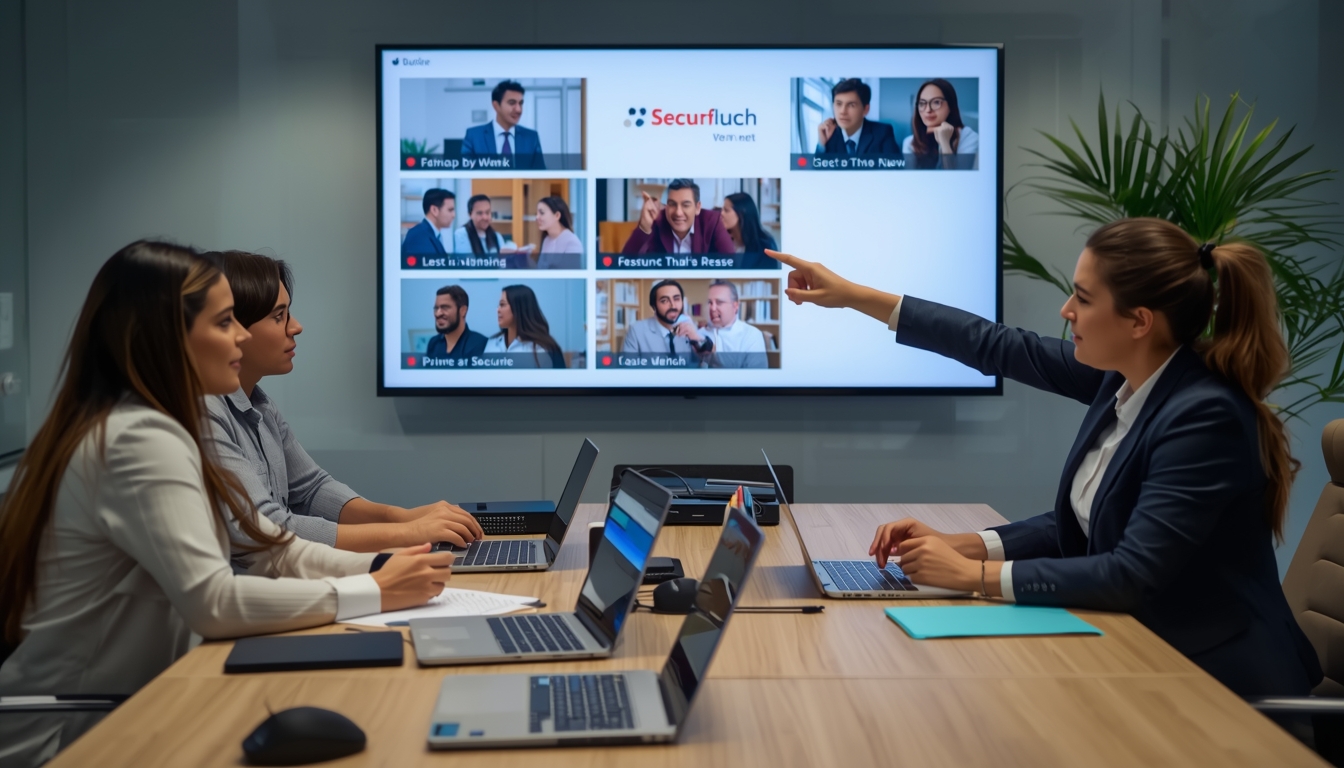
Employees play a crucial role in maintaining workplace security, as they are often the first to notice unusual behavior. Unlike security systems or surveillance cameras, human intuition can detect subtle inconsistencies that technology might miss. Empowering employees with the knowledge and confidence to report suspicious behavior is essential in creating a proactive security culture. When staff members feel responsible for safety, the organization becomes significantly more resilient to potential threats.
Training programs should focus on educating employees about specific behavioral indicators and appropriate response protocols. This includes how to approach a suspicious visitor, when to escalate concerns, and how to communicate effectively with security teams. Employees should also be encouraged to trust their instincts; if something feels off, it is better to report it than to ignore it. A culture that supports reporting without fear of criticism ensures that potential risks are addressed promptly.
Additionally, clear communication channels must be established so employees know exactly how to report suspicious activity. Whether through a designated security team, a reporting system, or direct communication with management, the process should be simple and accessible. Regular drills and updates can reinforce these practices and ensure that employees remain vigilant and prepared to act when necessary.
Leveraging Technology for Visitor Monitoring
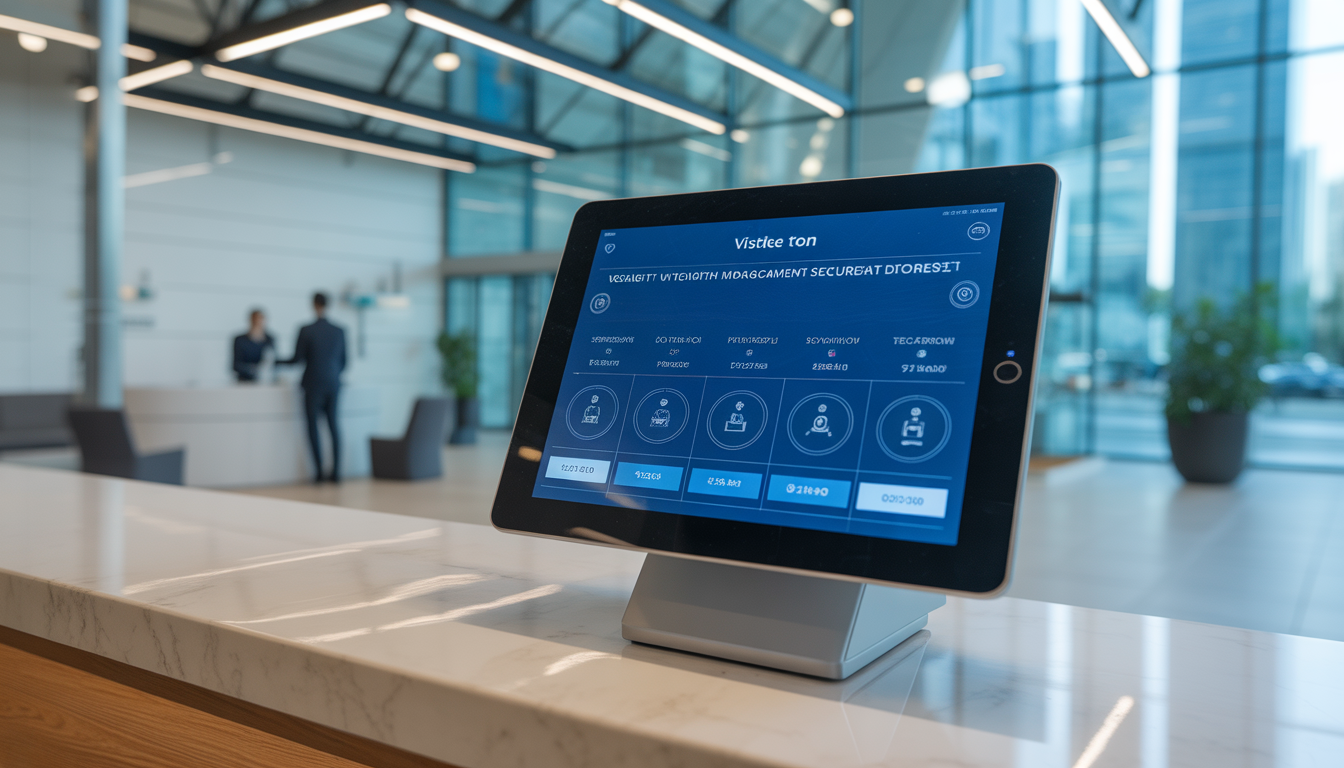
Modern workplaces can significantly enhance their security by integrating technology into visitor management systems. Digital check-in platforms, surveillance cameras, and access control systems provide valuable data that can help identify suspicious behavior. These tools allow organizations to track visitor movements, monitor access points, and maintain detailed records of all entries and exits. When used effectively, technology can act as a powerful complement to human observation.
Advanced systems can also flag unusual patterns automatically, such as repeated visits without clear purpose or attempts to access restricted areas. For example, if a visitor frequently signs in under different names or tries to enter unauthorized zones, the system can alert security personnel in real time. This proactive approach enables faster response and reduces the likelihood of incidents escalating. Integrating these tools into daily operations ensures consistent monitoring and improved overall security.
However, technology alone is not sufficient. It must be combined with proper training and human oversight to be truly effective. Employees should understand how to use these systems and interpret the data they provide. Regular audits and updates are also necessary to ensure that the technology remains reliable and aligned with the organization’s security needs. By balancing automation with human judgment, businesses can create a comprehensive and robust visitor management strategy.
Best Practices for Responding to Suspicious Behavior

Identifying suspicious behavior is only the first step; responding appropriately is equally important. When a potential threat is detected, employees should remain calm and avoid confrontation. Instead, they should follow established protocols, which may include notifying security personnel, discreetly monitoring the individual, or guiding them back to authorized areas. A measured and professional response helps prevent escalation while ensuring safety.
Organizations should develop clear response procedures that outline specific actions for different scenarios. For example, minor concerns may require simple verification of visitor credentials, while more serious threats may necessitate immediate security intervention. Having predefined guidelines ensures that employees can act quickly and confidently without hesitation. Regular training and simulations can help reinforce these procedures and improve response times.
Finally, documentation and follow-up are essential components of effective incident management. Any suspicious behavior should be recorded დეტailedly, including descriptions, timestamps, and actions taken. This information can be used to identify patterns, improve security measures, and support future investigations if necessary. By continuously refining their approach, organizations can strengthen their defenses and create a safer environment for everyone.
RELATED POSTS

The Future of Access Control in Modern Offices
Modern office access control has evolved far beyond traditional locks, keys, and basic ID cards. Early systems were primarily reactive, designed to restrict entry rather than intelligently manage movement within a workspace. As offices grew larger and more dynamic,...

How Visitor Badges Improve Workplace Safety
Visitor badges play a foundational role in establishing clear identity within a workplace, ensuring that every non-employee present can be immediately recognized. In modern offices where open layouts and shared spaces are common, it can be difficult to distinguish...

Smart Ways to Reduce Unauthorized Access in Buildings
Unauthorized access often begins with identity gaps at entry points, where traditional visual checks and static ID cards fail to provide real-time verification. Digital identity verification systems solve this problem by using multi-factor authentication methods such...

Comparing Manual vs. Digital Visitor Tracking
Manual visitor tracking has been a long-standing practice in offices, schools, residential buildings, and government facilities. At its core, the system involves a physical logbook or sign-in sheet where visitors write down personal information such as their name,...