

Manual visitor tracking has been a long-standing practice in offices, schools, residential buildings, and government facilities. At its core, the system involves a physical logbook or sign-in sheet where visitors write down personal information such as their name, contact details, reason for visit, and the person they intend to meet. Security personnel may visually check an ID, record the arrival time, and sometimes issue a handwritten visitor badge. This approach is simple, low-cost, and requires little to no technical setup, making it attractive for small organizations or locations with minimal visitor traffic.
However, while the system is straightforward, it heavily depends on human accuracy and consistency. Handwriting can be unclear, information may be incomplete, and some visitors might intentionally provide incorrect details. Over time, these inaccuracies can create gaps in records that reduce the overall reliability of the visitor log. In high-traffic environments such as corporate offices, hospitals, or educational institutions, the manual process can also lead to long queues, increased waiting times, and frustrated guests, negatively impacting the organization’s professionalism.
Beyond efficiency issues, manual tracking presents several challenges in terms of data storage and accessibility. Physical logbooks can be damaged, lost, or tampered with, and retrieving old records can be time-consuming since staff must manually search through pages. In the event of a security incident or an audit, finding specific information quickly becomes a difficult and unreliable task. As organizations grow and security risks evolve, these limitations reveal why traditional visitor tracking methods are becoming less practical in modern environments.
The Rise of Digital Visitor Management Systems

Digital visitor management systems represent a significant technological shift from paper-based sign-in processes. These systems typically consist of self-service kiosks or tablets where guests enter their information digitally, sometimes supported by ID scanning, QR code check-in, or pre-registration links sent via email. Once completed, the system can instantly notify the host of the visitor’s arrival, print a professional badge, and securely store all details in a cloud-based database. This modern approach streamlines the entire check-in process and creates a smoother visitor experience.
One of the most transformative aspects of digital tracking is automation. Instead of relying on a security guard to manually check and write down details, the system automatically captures accurate data, timestamps entries, and enforces required fields so no important information is missed. Many systems also integrate with other security tools such as CCTV cameras, door access controls, and alarm systems. This integration creates a more cohesive security ecosystem that minimizes human error while maximizing oversight and efficiency.
Additionally, digital systems provide advanced features that were impossible through traditional methods. These may include visitor screening against watchlists, health declaration forms, compliance agreements, and real-time occupancy tracking. These features are crucial in modern workplaces where safety, health compliance, and data accountability are non-negotiable priorities. As many organizations move toward smart building solutions, digital tracking has shifted from a luxury to a necessity for maintaining a secure and professional environment.
Security, Accuracy, and Accountability Differences
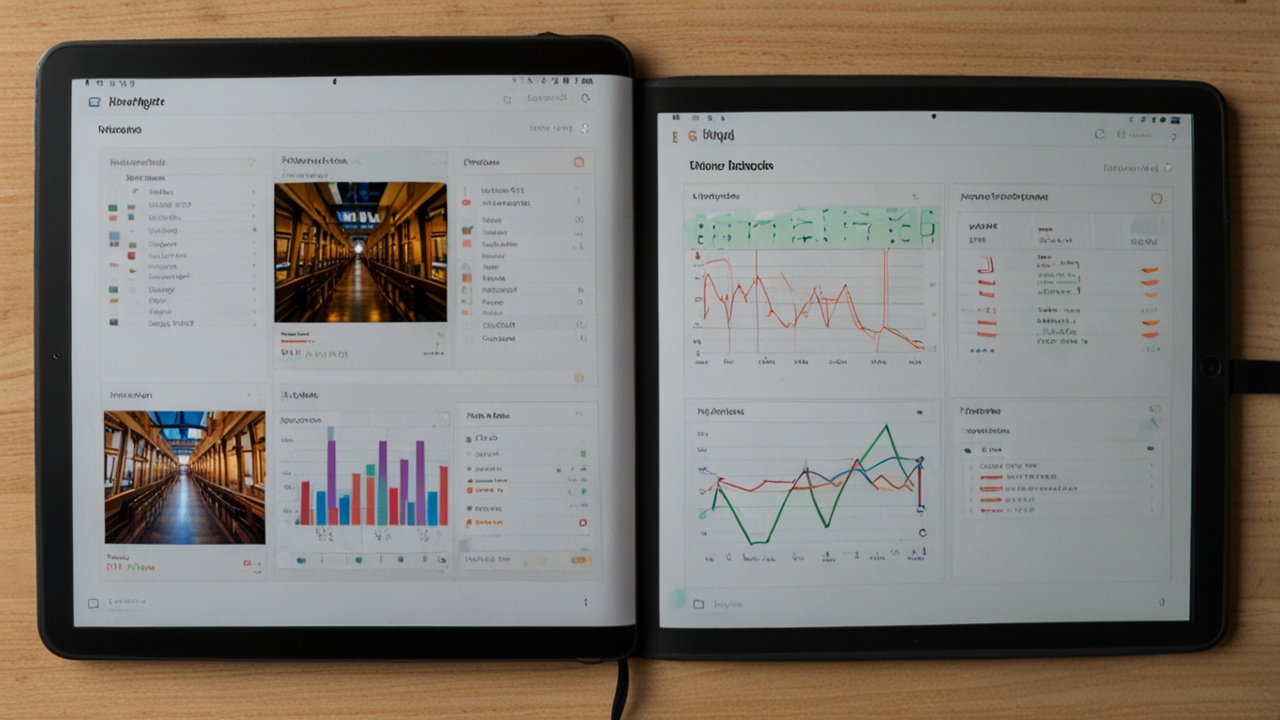
When comparing manual and digital visitor tracking, the most critical difference lies in security. A physical logbook visible at a front desk exposes personal information to anyone who passes by, risking privacy breaches. Anyone can flip through pages and potentially access sensitive data such as names, phone numbers, and company contacts. In contrast, digital systems limit access to authorized personnel only, using passwords, role-based permissions, and data encryption. This protects visitor information and ensures compliance with privacy laws and regulations.
Accuracy is another major point of contrast. Manual logs depend entirely on legible handwriting and honest input, which often results in missing or false information. Visitors may skip details, use nicknames, or write unclear data that cannot be interpreted later. Digital systems, however, enforce formatting rules and required fields. They can verify entries such as phone numbers and email addresses, store clear photographs, and maintain clean, standardized records. This ensures that every data entry is uniform, readable, and reliable.
Accountability also improves significantly with digital tracking. Every action, from check-in to check-out, is recorded with an exact timestamp and user identity. If an incident occurs, security teams can generate detailed audit trails showing who entered the building, when they arrived, whom they visited, and how long they stayed. This level of documentation is extremely difficult to achieve with a manual logbook and plays a critical role in investigations, compliance checks, and internal reviews.
Operational Efficiency and Visitor Experience

From an operational standpoint, manual visitor registration slows down both visitors and staff. Guests often wait in line, fumble with pens, or struggle to understand what information is required. Security personnel must repeatedly explain the process, check identification, and rewrite information if errors occur. This creates bottlenecks at entry points and diverts staff attention from other important security tasks. In busy environments, these inefficiencies can disrupt daily operations and increase frustration for everyone involved.
Digital systems dramatically improve this process. Visitors can sign in within seconds, especially if they are pre-registered before arrival. The moment they complete the check-in, the host receives an instant notification via email or text message, reducing waiting time and unnecessary movement within the building. Automatic badge printing also makes it easier to identify visitors at a glance, improving both safety and professionalism. The reception area becomes more organized, modern, and less stressful for guests.
The visitor experience itself becomes more positive and memorable. A digital system presents the organization as innovative, secure, and well-managed. Visitors feel that their time and privacy are respected, and the smooth process reflects positively on the brand’s image. First impressions are formed the moment someone enters a building, and a seamless, efficient check-in process can strengthen trust and confidence in the organization.
Making the Right Choice for Your Organization

Choosing between manual and digital visitor tracking depends on several factors, including budget, visitor volume, and security requirements. Very small businesses with minimal foot traffic may still find manual logging acceptable in the short term. However, as organizations grow, the risks and inefficiencies of paper-based systems increase. What seems like a low-cost option may become a liability when data is lost, misused, or unavailable during critical moments.
For medium to large organizations, digital visitor management systems provide a clear long-term advantage. While there is an upfront cost for hardware and software, the return on investment is seen through time savings, reduced administrative work, enhanced security, and improved compliance. Digital systems are scalable, meaning they can grow with the organization and adapt to future needs such as remote access, health screening, and multi-location management.
Ultimately, the right choice is one that prioritizes safety, efficiency, and accountability. In an era where data protection and security threats are persistent concerns, relying on outdated methods can put both people and property at risk. Modern problems require modern solutions, and digital visitor tracking stands out as a practical, future-ready investment for any organization aiming to operate safely and professionally.
RELATED POSTS

How to Identify Suspicious Visitor Behavior in the Workplace
Workplace security begins with awareness, and one of the most critical components of that awareness is understanding how visitors behave within your premises. Every organization receives a variety of visitors daily, from clients and vendors to delivery personnel and...

The Future of Access Control in Modern Offices
Modern office access control has evolved far beyond traditional locks, keys, and basic ID cards. Early systems were primarily reactive, designed to restrict entry rather than intelligently manage movement within a workspace. As offices grew larger and more dynamic,...

How Visitor Badges Improve Workplace Safety
Visitor badges play a foundational role in establishing clear identity within a workplace, ensuring that every non-employee present can be immediately recognized. In modern offices where open layouts and shared spaces are common, it can be difficult to distinguish...

Smart Ways to Reduce Unauthorized Access in Buildings
Unauthorized access often begins with identity gaps at entry points, where traditional visual checks and static ID cards fail to provide real-time verification. Digital identity verification systems solve this problem by using multi-factor authentication methods such...