
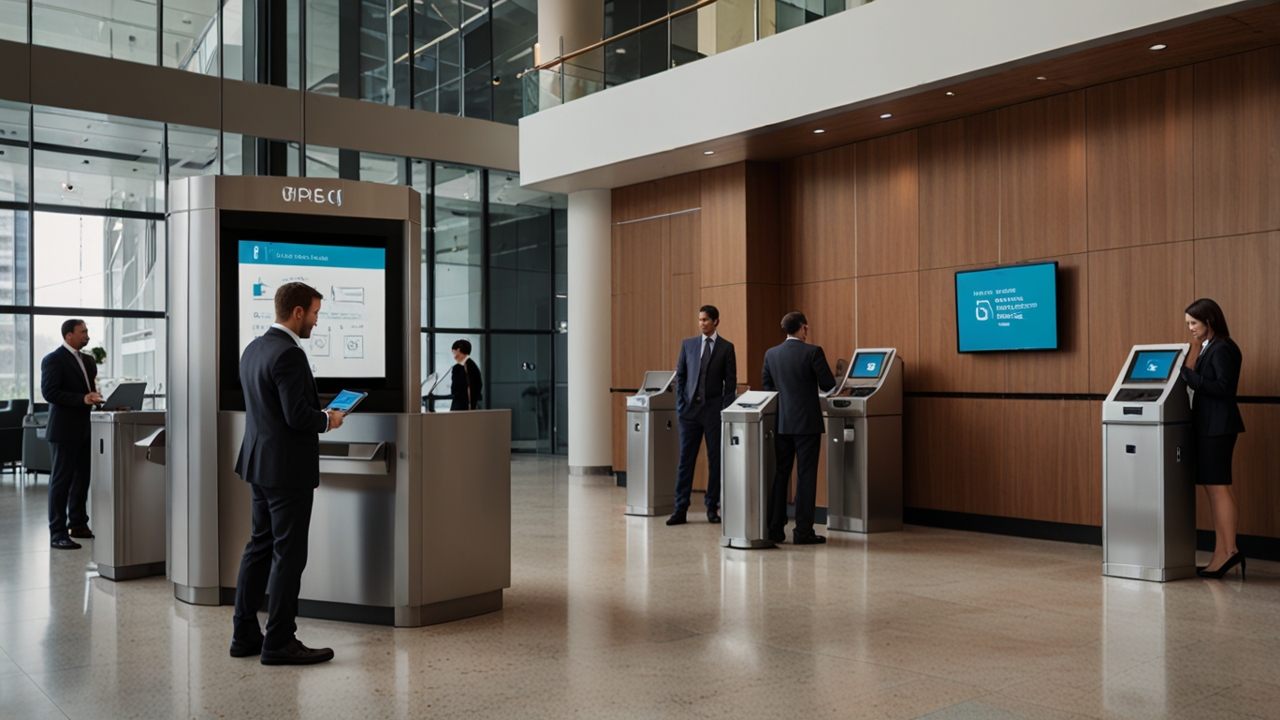
In today’s fast-paced corporate and institutional environments, visitor management has evolved beyond simple paper sign-ins. Modern security frameworks emphasize accountability and traceability, and visitor logs play a central role in achieving both. A visitor log, whether digital or manual, acts as the first line of defense in identifying who enters a facility, when they arrive, and for what purpose. By maintaining a reliable record, organizations ensure they have the data necessary to respond to incidents, conduct audits, and comply with safety regulations. These logs serve as a historical footprint that aids in understanding movement patterns and access points that could potentially become security vulnerabilities.
Beyond basic tracking, visitor logs are now integrated into comprehensive visitor management systems that include digital check-ins, ID scanning, and automated notifications. These systems streamline operations while reducing human error—a key factor in risk exposure. With cloud-based platforms, security managers can access real-time visitor data, cross-reference entries with employee databases, and instantly flag irregularities. This level of visibility and control ensures that unauthorized individuals are less likely to slip through unnoticed, protecting both physical assets and personnel.
From a compliance standpoint, visitor logs are critical for industries bound by strict data protection and safety standards. Healthcare facilities, data centers, and government buildings, for instance, are required to maintain detailed visitor records as part of their operational policies. In such environments, a comprehensive log helps demonstrate accountability during internal reviews and external audits. By capturing relevant details—such as identification type, host employee, and purpose of visit—organizations can establish a culture of transparency and responsibility across all levels.
How Visitor Logs Contribute to Early Threat Detection

The ability to detect threats before they escalate is one of the primary benefits of maintaining a detailed visitor log. When used effectively, visitor records can highlight irregular patterns—such as frequent visits from unknown individuals, attempts to access restricted areas, or repeated visits without valid appointments. By reviewing these logs regularly, security teams can identify anomalies that warrant further investigation. In many cases, what might appear as harmless activity can turn out to be early indicators of security breaches, internal theft, or data espionage.
Moreover, integrating visitor logs with access control systems enhances this proactive layer of defense. When every entry and exit point is monitored and cross-checked against scheduled visits, discrepancies can trigger automated alerts. For example, if an individual checks in but does not check out, the system can flag this as a potential risk. This immediate notification enables security teams to act swiftly—locking down sensitive zones, verifying camera footage, and contacting the relevant departments. Over time, these logs become valuable intelligence tools, providing a comprehensive record for behavioral analysis and preventive planning.
The efficiency of early threat detection relies heavily on how well visitor data is organized and analyzed. Manual record-keeping makes it difficult to draw correlations, but digital systems employ data analytics to uncover trends in visitor activity. These insights can then guide policy adjustments, such as tightening visitor access during high-risk periods or implementing multi-step verification for external contractors. In essence, visitor logs are not passive records—they are active tools that empower organizations to predict, prevent, and prepare for potential security incidents.
Enhancing Emergency Response and Incident Management
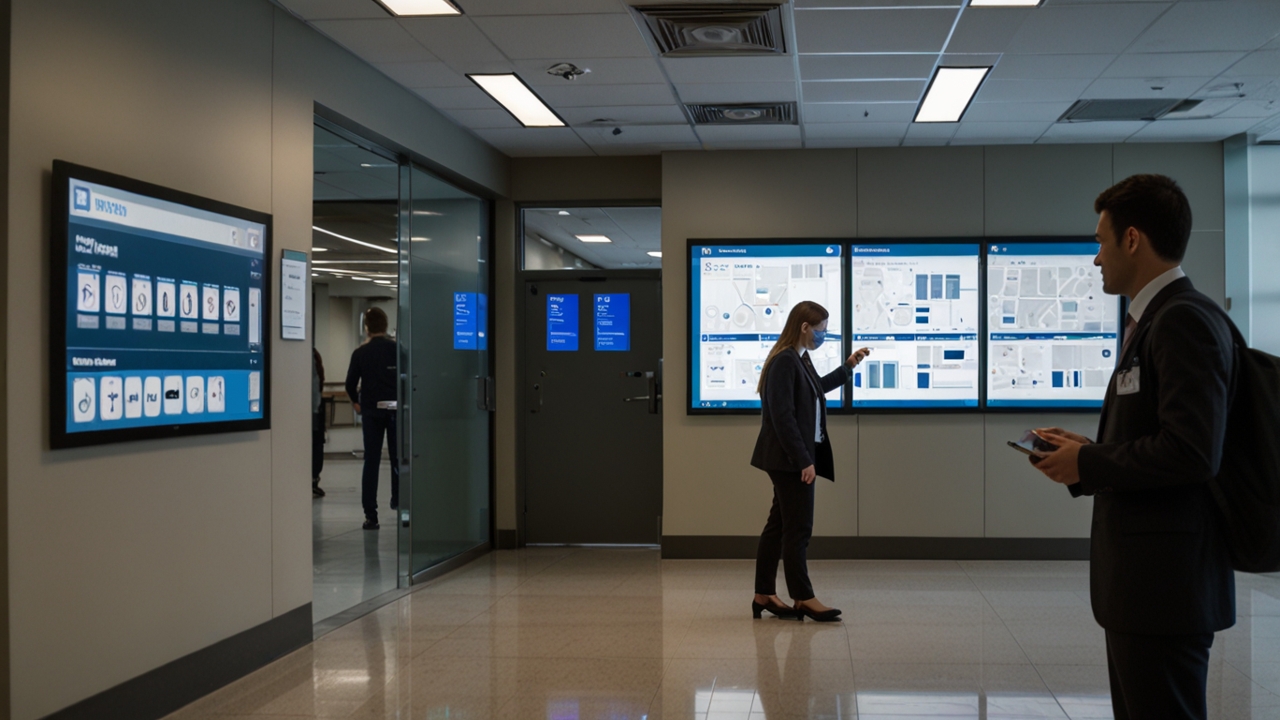
When emergencies occur—be it a fire, evacuation, or lockdown—visitor logs become essential tools for accurate headcounts and quick response. In crisis scenarios, knowing exactly who is inside a facility can be the difference between efficient evacuation and chaos. Digital visitor management systems provide real-time visibility into the number of guests, contractors, or delivery personnel currently on-site. Security and safety officers can instantly generate lists of visitors and ensure that everyone is accounted for before declaring the premises secure.
Furthermore, visitor logs streamline post-incident investigations. In the aftermath of an event, organizations can review historical visitor data to determine who was in proximity to the affected area, who interacted with key personnel, or whether unauthorized individuals were present. This level of traceability is invaluable not only for internal reviews but also for compliance reporting and insurance claims. Law enforcement agencies and investigators often rely on such records to reconstruct timelines and identify possible witnesses or suspects.
The integration of visitor logs with emergency management software also allows for faster communication during crises. Automated alerts can be sent to all registered visitors via SMS or email, providing real-time updates or evacuation instructions. In high-security environments, this capability ensures that every individual on-site receives critical information within seconds. As organizations increasingly adopt digital-first safety solutions, visitor logs continue to play a foundational role in bridging security operations and crisis management protocols.
Building Accountability and Trust Through Transparent Recordkeeping

Transparency is at the heart of effective security culture, and visitor logs are key instruments in promoting it. When employees, partners, and clients know that a facility maintains accurate visitor records, it fosters a sense of safety and professionalism. Clear documentation of all entries and exits signals that the organization takes security seriously—an important factor in industries where confidentiality and safety are paramount. This practice not only deters potential wrongdoers but also reinforces employee confidence in the company’s commitment to their well-being.
Visitor logs also hold individuals accountable for their presence and behavior within the premises. When every visit is recorded and timestamped, it becomes easier to trace actions back to specific individuals. This accountability extends to both visitors and employees who host them. Knowing that all interactions are tracked discourages negligence and misuse of access privileges. For management, this creates an environment where trust is balanced with responsibility, minimizing opportunities for misconduct.
In addition, transparent recordkeeping supports compliance with data protection and occupational safety regulations. Many organizations are legally required to retain visitor data for specific periods and ensure it is securely stored. Digital visitor management platforms simplify this process by automatically encrypting and archiving data according to regulatory standards. The result is a secure, auditable trail of visitor activity that can withstand scrutiny from auditors, regulators, or clients during quality and safety assessments.
The Future of Visitor Logging and Intelligent Security Systems

As technology continues to evolve, visitor logging is entering a new era powered by artificial intelligence, biometrics, and the Internet of Things (IoT). Smart visitor management systems are capable of facial recognition, automated identity verification, and predictive analytics. These innovations reduce reliance on manual input while increasing accuracy and speed. By leveraging machine learning algorithms, systems can learn to detect irregular visitor behaviors and automatically recommend preventive actions, such as restricting access or alerting administrators.
The rise of hybrid workplaces and multi-tenant facilities has further emphasized the need for scalable and interconnected visitor management solutions. Cloud-based platforms allow multiple sites to share visitor data securely, ensuring that identity verification and access control are consistent across all locations. With remote monitoring capabilities, security administrators can oversee visitor activity in real-time, even from different time zones. This interconnectedness enhances operational efficiency and minimizes human error—two crucial components in effective risk prevention.
However, with technological advancement comes the responsibility of protecting sensitive visitor information. Cybersecurity integration is now as important as physical security, as visitor logs often contain personal identifiable data. Future-ready visitor management systems must adhere to global data protection laws such as GDPR, ensuring encryption, access restriction, and regular audits. The goal is to strike a balance between technological convenience and ethical responsibility—creating a secure, intelligent, and privacy-conscious visitor management ecosystem.
RELATED POSTS

How to Identify Suspicious Visitor Behavior in the Workplace
Workplace security begins with awareness, and one of the most critical components of that awareness is understanding how visitors behave within your premises. Every organization receives a variety of visitors daily, from clients and vendors to delivery personnel and...

The Future of Access Control in Modern Offices
Modern office access control has evolved far beyond traditional locks, keys, and basic ID cards. Early systems were primarily reactive, designed to restrict entry rather than intelligently manage movement within a workspace. As offices grew larger and more dynamic,...

How Visitor Badges Improve Workplace Safety
Visitor badges play a foundational role in establishing clear identity within a workplace, ensuring that every non-employee present can be immediately recognized. In modern offices where open layouts and shared spaces are common, it can be difficult to distinguish...

Smart Ways to Reduce Unauthorized Access in Buildings
Unauthorized access often begins with identity gaps at entry points, where traditional visual checks and static ID cards fail to provide real-time verification. Digital identity verification systems solve this problem by using multi-factor authentication methods such...