
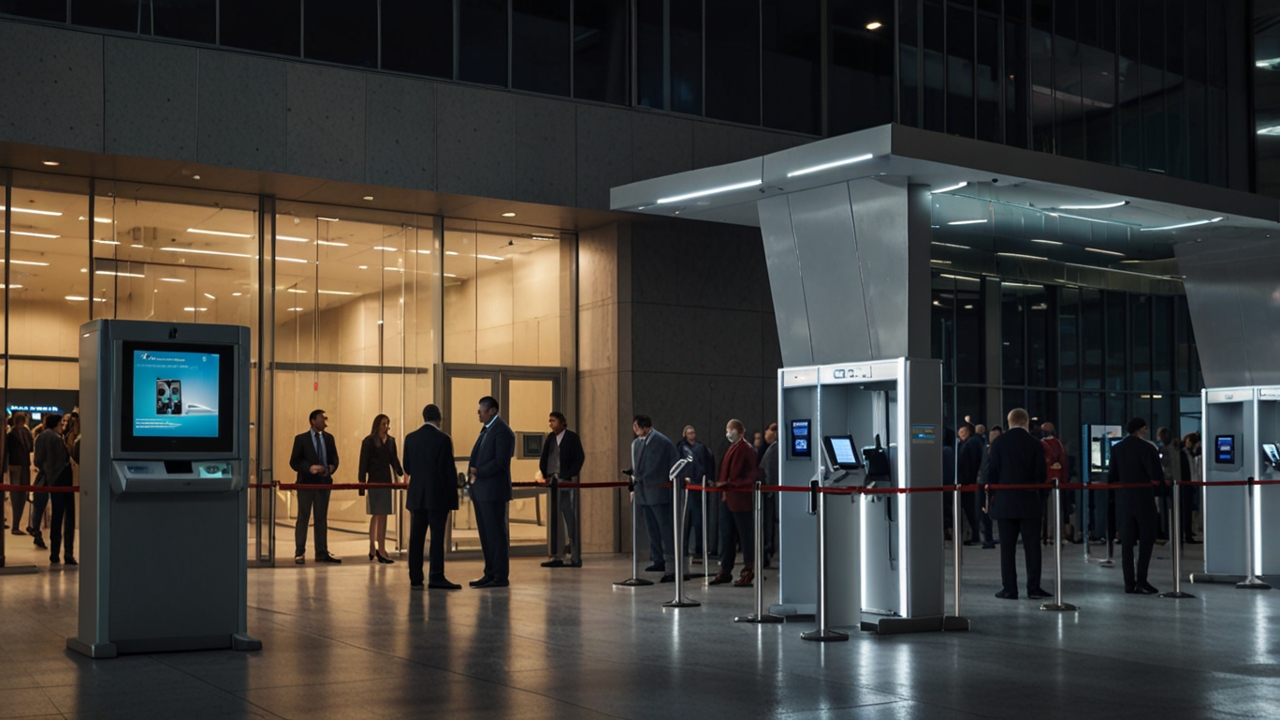
Government facilities house sensitive operations, classified data, and essential public services that directly impact national and local stability. From city halls and tax agencies to immigration offices and national defense departments, these buildings attract a wide range of visitors daily, including citizens, officials, contractors, and foreign representatives. This level of traffic makes them especially vulnerable to unauthorized entry, data theft, vandalism, and targeted attacks. Traditional security methods such as physical keys, sign-in books, and basic ID checks no longer provide sufficient protection in a world where threats have become increasingly sophisticated and unpredictable.
Beyond physical safety, the importance of access control in government buildings also lies in information protection. Many public institutions are responsible for managing confidential records such as personal identification data, criminal histories, financial information, and national intelligence. An ineffective access control system increases the risk of data breaches, which can compromise the privacy of citizens and threaten national security. A modern system limits entry to authorized individuals only and tracks their movement inside the facility, making accountability and monitoring significantly more efficient.
Additionally, government buildings often serve as critical infrastructure during times of crisis, such as natural disasters, pandemics, or emergency response situations. In such moments, they must remain secure yet operational. Enhanced access control systems help regulate the flow of people during emergencies, restrict areas under lockdown, and grant quick access to authorized responders. This balance between strict security and rapid accessibility makes advanced access control systems an essential investment rather than an optional upgrade.
Key Threats Facing Government Facilities in the Modern Age
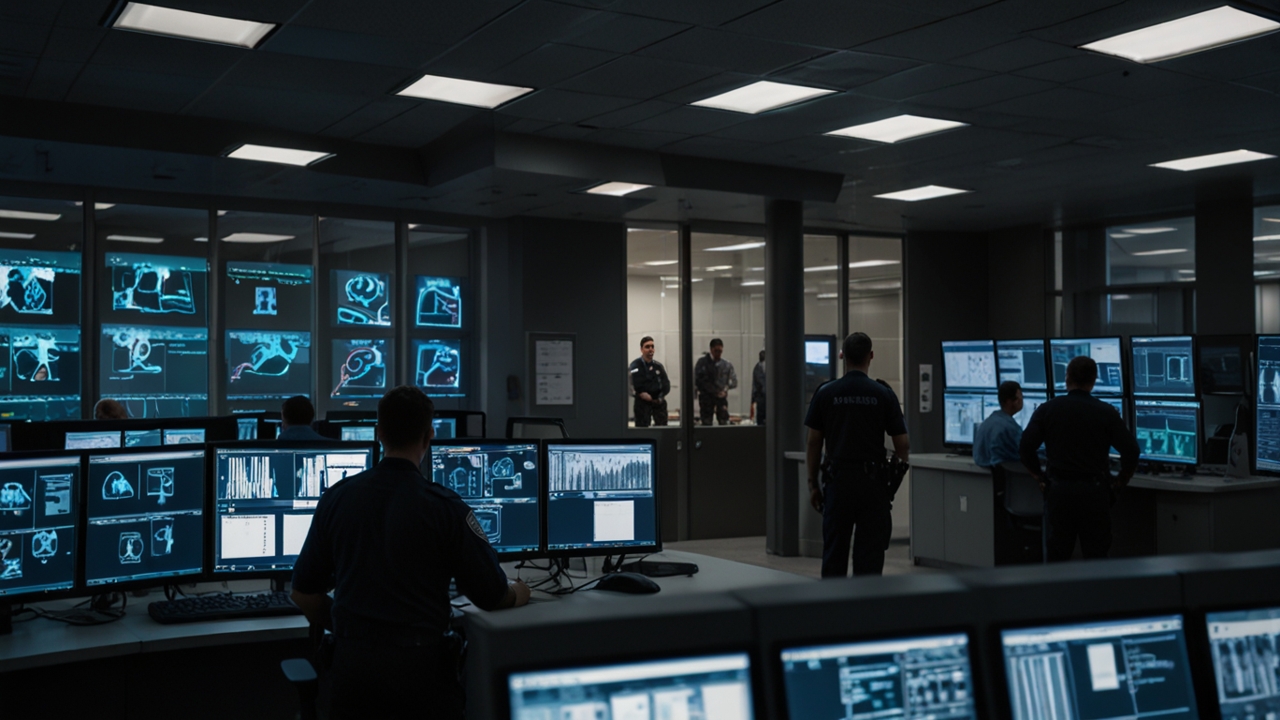
Government buildings face a spectrum of evolving threats that go far beyond simple trespassing. These include cyber-physical attacks, insider threats, organized crime infiltration, terrorism, and political violence. Individuals seeking to exploit weaknesses in building security may attempt to impersonate staff, use fake credentials, or enter during peak public hours to blend into crowds. Without adaptive access control, these threats can go undetected until significant harm has already occurred.
Insider threats pose an equally serious risk. Employees or contractors who already have legitimate access may misuse their privileges, intentionally or unintentionally. This could involve leaking information, sabotaging systems, or granting unauthorized access to restricted areas. With role-based access control and activity tracking, modern systems can prevent sensitive zones from being accessed beyond an individual’s clearance level, reducing the chances of internal misuse.
Another growing concern is the use of advanced technology by hostile actors, including cloned key cards, hacked entry systems, and social engineering tactics. Attackers no longer rely solely on physical force; they exploit digital vulnerabilities and human error. AI-powered and encrypted access control solutions provide a crucial line of defense by constantly updating security protocols, identifying unusual behavior patterns, and alerting authorities in real time when suspicious activity occurs.
The Role of Smart Technology in Government Access Management

Smart access control systems introduce automation, intelligence, and real-time monitoring into government security operations. These systems can include biometric authentication (fingerprint, facial recognition, iris scans), smart cards, mobile credentials, and PIN-based access. Each individual is assigned a specific digital identity that determines which areas of a building they are allowed to enter and at what time. This precision dramatically reduces the risk of unauthorized movement within the facility.
One of the most valuable features of modern access technology is centralized control. Security administrators can instantly add, modify, or revoke access permissions from one system without the need to physically retrieve keys or issue new badges. This capability is particularly useful for government facilities that experience high turnover, visiting officials, or frequent contractor engagement. Temporary passes can be issued, monitored, and automatically deactivated, ensuring that access does not accidentally remain open after an assignment is completed.
Integration with surveillance, alarm systems, and emergency communication platforms further strengthens a government building’s security. When a breach is detected, nearby doors can automatically lock, cameras can focus on the detected area, and alerts can be sent to security teams. Instead of reacting after damage has been done, smart systems allow for immediate, coordinated, and predictive responses—an essential advantage in high-risk environments.
Balancing Public Access and High-Level Security

Government buildings must maintain a delicate balance between being accessible to the public and remaining highly secure. Citizens visit these facilities to apply for permits, attend hearings, request documents, and access essential services. Overly restrictive measures can create long queues, frustration, and a negative public experience. On the other hand, weak controls open the door to serious security breaches. Advanced access systems solve this by separating public zones from restricted internal areas.
Zoning and layered access strategies allow welcoming front-office areas to remain open at controlled levels, while sensitive departments are protected using multi-factor authentication. Visitors may only be allowed into specific waiting areas after identity verification, while employees must pass additional biometric or smart card checks to access secured workspaces. This layered model ensures that openness does not compromise safety.
Modern systems also improve visitor management efficiency. Digital kiosks enable pre-registration, automated ID scanning, and badge printing. These records are stored securely, allowing authorities to trace every visitor’s entry and exit time. In emergencies, the system can instantly provide an accurate list of people inside the building. This improves evacuation planning, accountability, and overall safety for employees and visitors alike.
Long-Term Benefits of Investing in Advanced Access Control

While the initial implementation of enhanced access control systems may require significant investment, the long-term benefits far outweigh the cost. Improved security leads to reduced incidents of theft, vandalism, data loss, and operational disruption. Governments can avoid the massive financial and reputational damage associated with security failures, legal liabilities, and compromised citizen information.
These systems also increase operational efficiency. Automated access management reduces the workload on security personnel, eliminates manual paperwork, and speeds up entry processes. Staff members spend less time on administrative tasks and more time focusing on meaningful public service. Over time, this results in better workplace productivity, smoother daily operations, and a safer working environment.
Most importantly, advanced access control helps restore and maintain public trust. Citizens expect their government to protect their information and ensure their safety when entering public facilities. A visible, modern, and well-organized security system sends a clear message of accountability, professionalism, and preparedness. This trust is essential in strengthening the relationship between the government and the people it serves.
RELATED POSTS

Manufacturing Sites: Controlling Visitor Access Efficiently
Manufacturing sites operate within complex, high-risk environments where machinery, hazardous materials, proprietary processes, and strict workflows coexist. Unlike office settings, factories and production plants must manage visitors who may have little familiarity...

How Hotels Use Digital Passes for Guest Safety
Modern hotels face increasing challenges in managing who can access specific areas within their properties while maintaining a seamless guest experience. Digital passes allow hotels to replace traditional physical keys and paper credentials with secure, app-based or...

Retail Security: Managing Visitors and Contractors Effectively
Retail environments face unique security challenges due to constant foot traffic, diverse visitor profiles, and frequent contractor access for maintenance, merchandising, and technology support. Unlike controlled office spaces, retail locations must balance openness...

Securing Healthcare Facilities with Smart Visitor Systems
Healthcare facilities face complex security challenges that go beyond traditional building protection. Hospitals, clinics, and long-term care centers must manage a constant flow of patients, visitors, contractors, suppliers, and staff. Without a structured system,...