
Healthcare facilities face complex security challenges that go beyond traditional building protection. Hospitals, clinics, and long-term care centers must manage a constant flow of patients, visitors, contractors, suppliers, and staff. Without a structured system, tracking these movements becomes difficult, increasing the risk of unauthorized access, data breaches, and safety incidents. Smart visitor systems address these vulnerabilities by providing a centralized, digital way to verify, log, and monitor every individual entering the premises.
Beyond basic identification, these systems ensure that healthcare operations remain compliant with strict regulations. Facilities must follow data privacy laws, maintain controlled access to restricted zones, and ensure that sensitive patient information is fully protected. Manual sign-in forms can expose confidential data and make it nearly impossible to maintain reliable audit trails. Smart visitor technologies automate these processes, strengthening trust between patients, families, and healthcare teams.
The integration of smart visitor solutions also enhances the overall experience inside the facility. Streamlined check-in reduces wait times, prevents congested entry areas, and provides visitors with a more professional, organized welcome. With instant notifications, staff can quickly respond to visitor arrivals, ensuring efficient coordination and minimizing disruptions in critical care areas.
Enhancing Patient Safety Through Controlled Access

Healthcare compliance requires precise documentation and accurate reporting. Manual visitor logs introduce risks of human error, incomplete entries, and unreadable handwriting. Smart visitor systems automate the entire documentation process, ensuring that each entry is accurate, timestamped, and securely stored. This reduces administrative burden and ensures that every audit requirement can be met quickly and reliably.
Automated check-in workflows allow administrative teams to focus on more strategic tasks instead of repeatedly processing paper forms or verifying IDs manually. For example, pre-registration allows visitors to upload identification and complete screening questions ahead of time. When they arrive, they can simply scan their code and proceed, significantly reducing lobby congestion and repetitive administrative tasks.
Compliance with healthcare regulations, such as infection control protocols, is also strengthened. Smart systems can include automated symptom screening, vaccination checks, and custom health questionnaires. This ensures that only individuals who meet the required health standards can enter the facility, reducing potential risks to vulnerable patients and staff.
Streamlining Administrative Workflow and Compliance
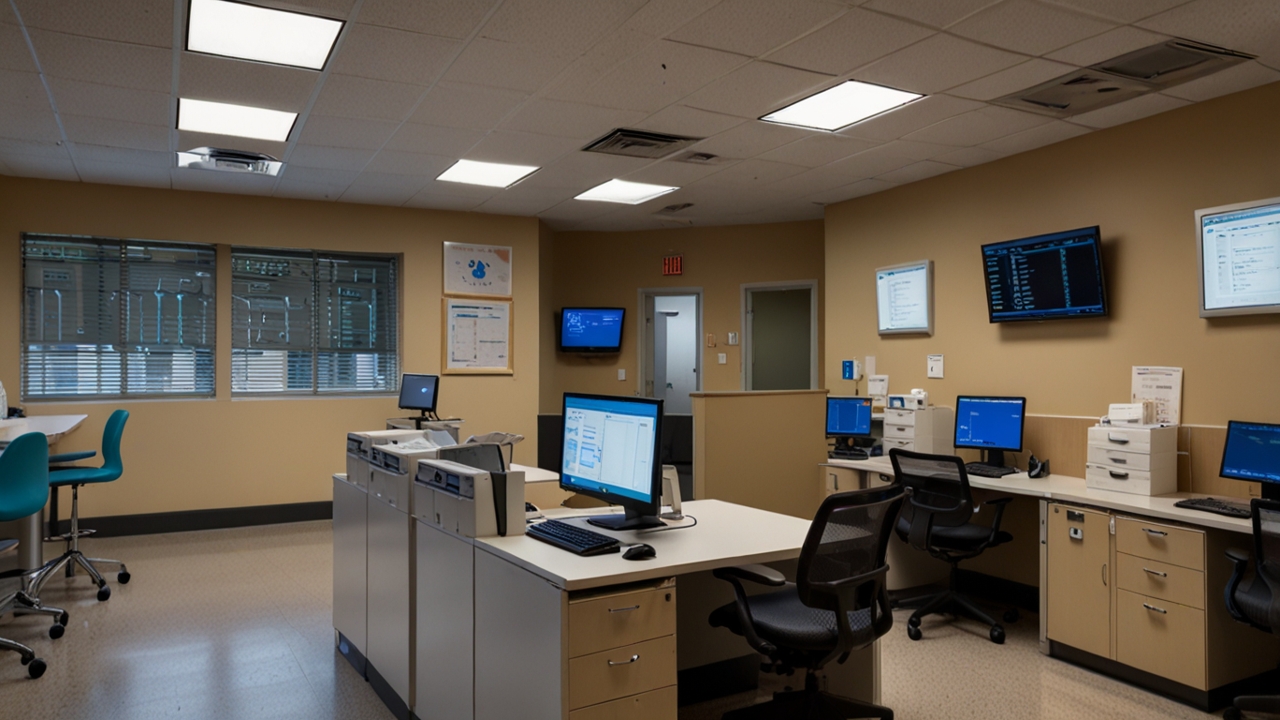
Even the best systems can fail if employees don’t understand their role in maintaining compliance. Training staff on proper visitor management procedures is essential to ensuring consistent data handling across the organization. Every employee who interacts with the check-in system must understand what data can be collected, how to protect it, and how to respond to privacy-related inquiries from visitors.
Comprehensive training should cover topics like data minimization (collecting only necessary information), the importance of confidentiality, and the correct response protocols for data breaches or visitor data requests. It’s also vital to establish a clear reporting hierarchy—so employees know exactly who to contact if they encounter a potential compliance issue. Regular refresher sessions should be held to keep staff updated on new regulations or internal policy changes.
Organizations should consider providing certification or acknowledgment after completing privacy training. This not only reinforces accountability but also builds a culture of compliance within the organization. When employees understand that they are custodians of visitor data, compliance becomes a shared responsibility rather than a top-down directive.
Improving Emergency Response and Evacuation Procedures
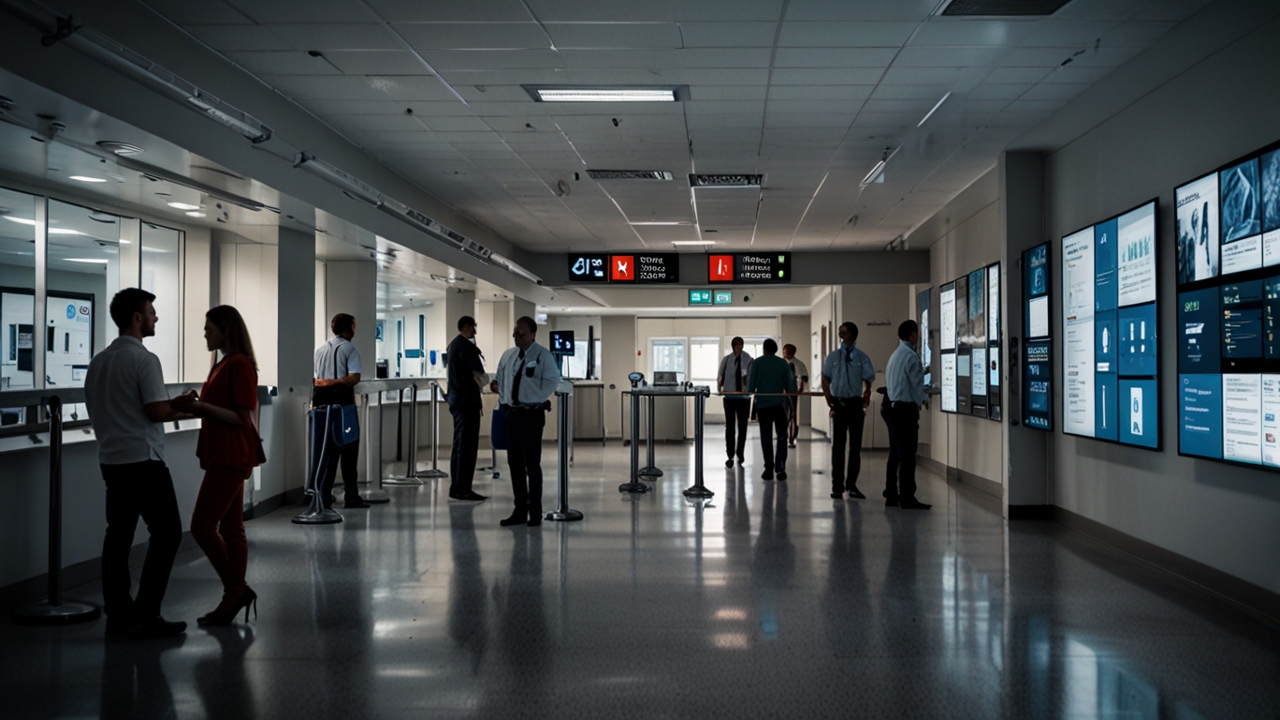
During emergencies, healthcare facilities must respond with speed and precision. Whether facing a fire incident, natural disaster, or security threat, the ability to identify who is inside the building at any moment is critical. Smart visitor systems provide instant access to real-time visitor lists, enabling security teams to conduct faster, more accurate evacuation and accountability measures.
Because all visitor activity is logged digitally, emergency responders can determine the exact number of individuals on each floor or in specific departments. This eliminates guesswork and helps ensure that no visitor goes unaccounted for during evacuation efforts. Emergency response teams can also receive automated alerts, allowing them to act immediately when a crisis begins.
Additionally, smart visitor systems can be integrated with emergency communication tools. This allows facilities to broadcast instructions, updates, and safety protocols directly to visitors’ mobile devices. Clear communication during emergencies reduces panic, minimizes confusion, and guides everyone toward safe exits or designated shelter areas. In critical healthcare environments, this added layer of preparedness can significantly improve overall safety outcomes.
Building Trust and Enhancing the Visitor Experience
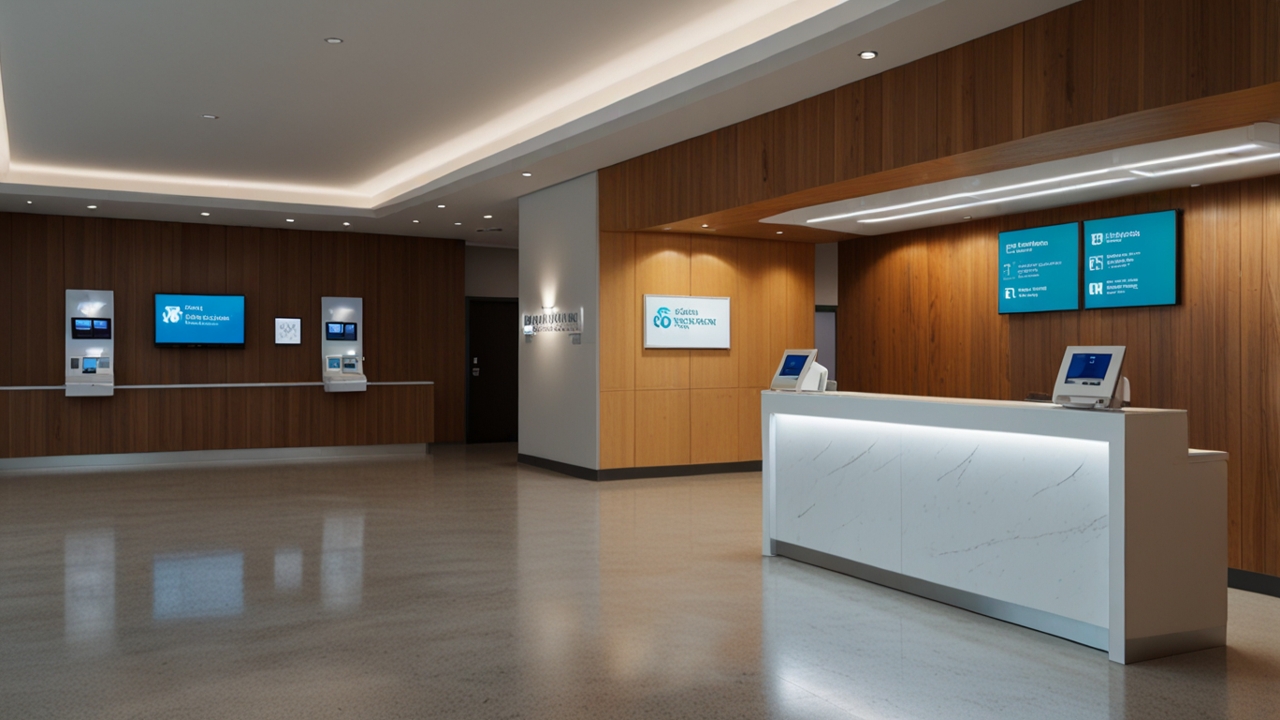
Security in healthcare facilities is not only about restricting access but also about establishing trust and professionalism. Visitors appreciate a smooth, respectful, and transparent check-in process. Smart visitor systems create an organized environment where guests feel confident that patient safety and privacy are prioritized. By reducing long queues, eliminating paperwork, and offering clear instructions, the system enhances the overall visitor experience.
Visitors also benefit from immediate updates and notifications. For example, when a patient is ready for visitation or when certain areas are temporarily restricted, smart systems can relay this information quickly. This reduces uncertainty and ensures that guests can navigate the facility with ease. Digital visitor badges further help staff identify authorized individuals, making interactions more secure and efficient.
Healthcare organizations that invest in smart visitor technologies demonstrate a commitment to modern safety standards and patient-centered care. This strengthens the reputation of the facility and fosters trust among patients, families, and the wider community. A secure yet welcoming environment ultimately supports better patient outcomes and promotes a positive healthcare journey for everyone involved.
RELATED POSTS

Manufacturing Sites: Controlling Visitor Access Efficiently
Manufacturing sites operate within complex, high-risk environments where machinery, hazardous materials, proprietary processes, and strict workflows coexist. Unlike office settings, factories and production plants must manage visitors who may have little familiarity...

How Hotels Use Digital Passes for Guest Safety
Modern hotels face increasing challenges in managing who can access specific areas within their properties while maintaining a seamless guest experience. Digital passes allow hotels to replace traditional physical keys and paper credentials with secure, app-based or...

Retail Security: Managing Visitors and Contractors Effectively
Retail environments face unique security challenges due to constant foot traffic, diverse visitor profiles, and frequent contractor access for maintenance, merchandising, and technology support. Unlike controlled office spaces, retail locations must balance openness...

Government Buildings and the Need for Enhanced Access Control
Government facilities house sensitive operations, classified data, and essential public services that directly impact national and local stability. From city halls and tax agencies to immigration offices and national defense departments, these buildings attract a wide...