

The reception area is the first physical and human point of contact between a business and the outside world. Before a client evaluates your product quality, pricing, or expertise, they subconsciously assess how organized, responsive, and professional your front desk appears. A smooth check-in process, confident receptionist, and well-managed visitor flow immediately signal credibility and operational maturity. When reception operations are inefficient, even strong businesses risk being perceived as disorganized or careless, which can undermine trust before a conversation even begins.
Reception efficiency also shapes emotional responses. Visitors who are greeted promptly, guided clearly, and assisted without confusion feel respected and valued. In contrast, long waits, unanswered phones, or unclear instructions create frustration and anxiety. These emotions do not stay isolated to the front desk; they color how people perceive meetings, negotiations, and outcomes. A single inefficient interaction can outweigh multiple positive touchpoints later in the customer journey.
In competitive industries, reputation is built on consistency. Clients expect the same level of professionalism at every interaction, starting from arrival. An efficient reception acts as a brand ambassador, reinforcing the company’s values through behavior rather than marketing language. When reception workflows are optimized, businesses project reliability and competence, which strengthens reputation long before results are delivered.
Reception Efficiency Reflects Internal Operations

Reception performance is often a mirror of internal operational health. A front desk that struggles with visitor tracking, appointment confirmation, or communication breakdowns usually reflects deeper workflow inefficiencies behind the scenes. Clients and partners may not see internal systems directly, but they experience the consequences through delayed responses, misplaced messages, or inconsistent information. These small operational cracks can lead to doubts about the company’s overall capability.
Efficient reception processes depend on clear coordination between departments. When receptionists can quickly reach staff, access accurate schedules, and follow standardized procedures, visitors experience seamless service. This coordination suggests a well-managed organization where roles, responsibilities, and systems are aligned. Businesses that invest in operational clarity at the reception level demonstrate that efficiency is a company-wide priority, not an isolated effort.
From a reputation standpoint, operational smoothness builds confidence. Stakeholders interpret efficiency as a sign that the business can handle complexity, scale responsibly, and respect people’s time. Even for companies offering innovative or high-end services, visible operational discipline at reception reassures clients that creativity is supported by structure, not chaos.
Customer Trust Is Influenced by Front Desk Experience

Trust is fragile and often formed within minutes. Reception efficiency plays a critical role in establishing this trust by demonstrating attentiveness, transparency, and accountability. When visitors know where to go, who they are meeting, and how long they will wait, they feel in control of their experience. This clarity reduces uncertainty and builds confidence in the organization’s professionalism.
Inefficient reception experiences, such as lost visitor records or repeated identity verification, can raise concerns about data handling and security. Clients may wonder how carefully the company manages sensitive information if basic visitor processes feel unreliable. On the other hand, a structured and secure reception process communicates respect for privacy and attention to detail, which are essential components of trust.
Over time, consistent front desk efficiency reinforces long-term relationships. Returning clients and partners recognize familiarity, speed, and accuracy, which strengthens loyalty. Trust built at reception extends into business dealings, negotiations, and referrals. A reputation for reliability often begins with how confidently a company handles its first point of contact.
Reception Efficiency Impacts Brand Perception

Brand perception is shaped not only by logos and messaging but by lived experiences. Reception efficiency translates abstract brand values into real-world behavior. A company that claims to be innovative but relies on outdated, confusing reception processes sends mixed signals. Visitors quickly notice these inconsistencies, which can weaken brand credibility.
An efficient reception aligns visual branding with operational execution. Clear signage, well-trained staff, and streamlined visitor flow reinforce brand promises such as simplicity, excellence, or customer focus. These elements work together to create a cohesive brand experience that feels intentional rather than improvised. Even subtle details, like how quickly calls are routed or how smoothly guests are announced, contribute to brand perception.
In today’s review-driven environment, front desk experiences often influence public feedback. Clients and job candidates frequently mention reception interactions in reviews, interviews, and recommendations. A reputation for professionalism starts with these everyday encounters, making reception efficiency a powerful yet often underestimated branding tool.
Long-Term Business Reputation Depends on Consistency

Reputation is not built on isolated moments but on consistent performance over time. Reception efficiency must be reliable across days, staff shifts, and visitor types. A single positive experience is valuable, but consistent efficiency is what turns professionalism into expectation. Businesses that standardize reception processes reduce variability and protect their reputation from individual errors.
As organizations grow, reception demands become more complex. Increased visitor volume, external partners, and security requirements can strain manual or informal processes. Companies that proactively optimize reception operations demonstrate foresight and responsibility. This preparedness signals maturity and stability, qualities that strongly influence long-term reputation among investors, clients, and employees.
Ultimately, reception efficiency is an investment in perception. It safeguards the business against reputational risks caused by delays, confusion, or miscommunication. By treating reception as a strategic operational function rather than a basic administrative role, businesses strengthen their public image and reinforce trust at every interaction point.
RELATED POSTS

Reducing Wait Times with Automated Check-In Systems
In today’s fast-paced business environment, time has become one of the most valuable assets within workplace operations. Employees, clients, and visitors expect seamless experiences when entering facilities, and organizations can no longer afford inefficiencies that...
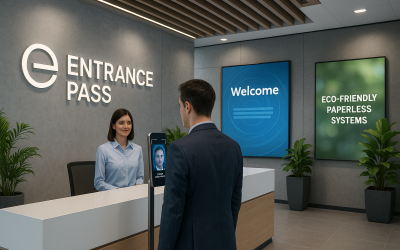
How Visitor Management Streamlines Front Desk Operations
Front desk operations are often the first point of contact for visitors, clients, and partners in any organization. They set the tone for how efficiently a workplace operates and how professional the company appears. However, traditional visitor registration...