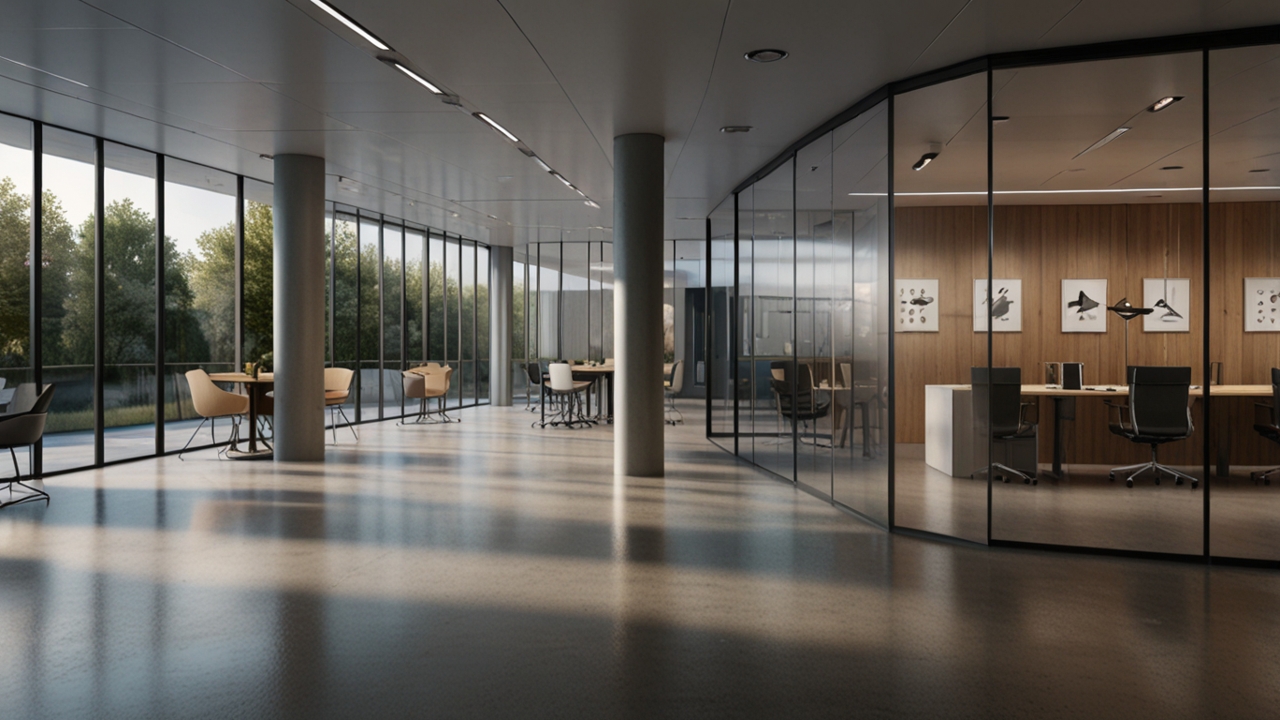
Workplace flow refers to the smooth, uninterrupted movement of people, information, and processes throughout an organization. When employees can move freely between work zones, collaborate without friction, and access the spaces they need without delay, productivity naturally improves. Flow is not only about physical movement but also about psychological ease—reducing stress, confusion, and unnecessary barriers that interrupt daily operations.
In modern organizations, workplace flow is closely tied to how spaces are designed and managed. Open-plan layouts, designated collaboration zones, quiet focus areas, and secure restricted sections all play a role in shaping how employees navigate their environment. When these elements are thoughtfully planned, employees spend less time navigating obstacles and more time focused on meaningful work. Poor flow, on the other hand, leads to congestion, frustration, and lost time.
Access control is a foundational component of workplace flow because it determines who can go where, when, and how easily. Without a well-integrated access system, even the best-designed workplace can become inefficient. Employees may face delays entering key areas, visitors may disrupt operations, and security staff may need to intervene manually. A balanced approach ensures that access supports movement rather than obstructing it.
How Access Control Shapes Daily Employee Movement

Access control systems directly influence how employees interact with their workplace throughout the day. From entering the building in the morning to accessing meeting rooms, laboratories, or secure departments, these systems determine the speed and ease of movement. When access methods are intuitive—such as badge taps, mobile credentials, or biometric scans—employees experience minimal disruption to their workflow.
Poorly implemented access control can create bottlenecks that disrupt daily operations. Long lines at entry points, malfunctioning readers, or overly restrictive permissions can cause frustration and wasted time. These small delays accumulate, negatively affecting morale and overall efficiency. Employees may also develop workarounds, such as tailgating, which compromises security and undermines system integrity.
Well-designed access control enhances flow by aligning permissions with real operational needs. Employees gain seamless access to the spaces relevant to their roles, while sensitive areas remain protected. Automated logging and real-time monitoring further reduce the need for manual checks, allowing both employees and security teams to focus on higher-value tasks.
Balancing Security and Efficiency in Workplace Design
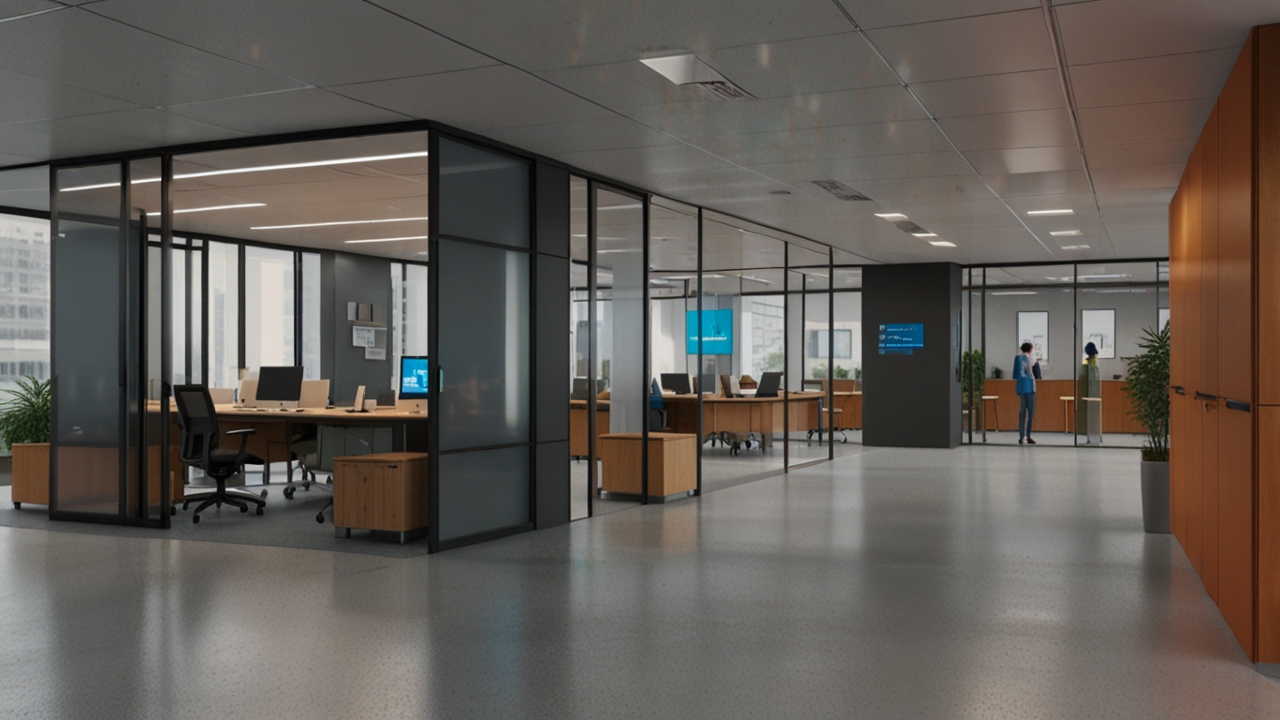
One of the biggest challenges organizations face is balancing security requirements with operational efficiency. While strict access controls are essential for protecting people, data, and assets, overly rigid systems can slow down daily activities. The goal is to create a secure environment that feels effortless rather than restrictive.
Effective access control supports efficiency by applying layered security. Public areas remain easily accessible, semi-restricted zones require simple authentication, and high-security areas use stronger verification methods. This approach prevents unnecessary checks while maintaining appropriate protection levels. Employees experience fewer interruptions, and security remains proportionate to risk.
Technology plays a crucial role in achieving this balance. Smart access systems can adapt based on time, role, or occupancy levels, ensuring that security measures align with real-world usage patterns. By integrating access control into workplace design from the outset, organizations avoid retrofitted solutions that disrupt flow and compromise efficiency.
The Role of Access Data in Optimizing Workplace Flow
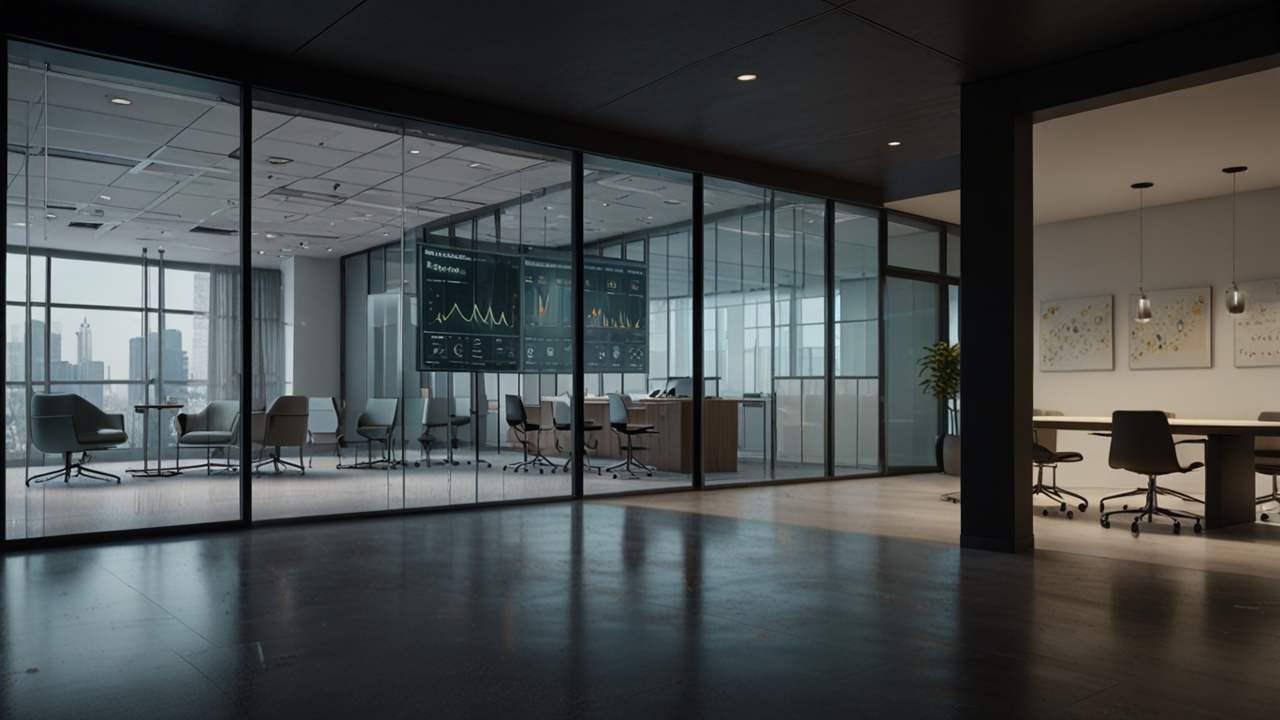
Access control systems generate valuable data that can be used to analyze and improve workplace flow. Entry logs, peak access times, and movement patterns provide insights into how spaces are actually used. This data helps organizations identify congestion points, underutilized areas, and inefficiencies that may not be visible through observation alone.
By analyzing access data, facility managers can make informed decisions about layout changes, staffing schedules, and access policies. For example, if certain entrances experience heavy congestion during peak hours, additional access points or staggered schedules can be introduced. These adjustments improve flow without compromising security.
Data-driven optimization also supports long-term planning. As organizations grow or change, access data reveals evolving usage patterns that guide future investments. This ensures that workplace flow remains aligned with operational needs, supporting both efficiency and employee satisfaction over time.
Creating a Seamless Experience for Employees and Visitors
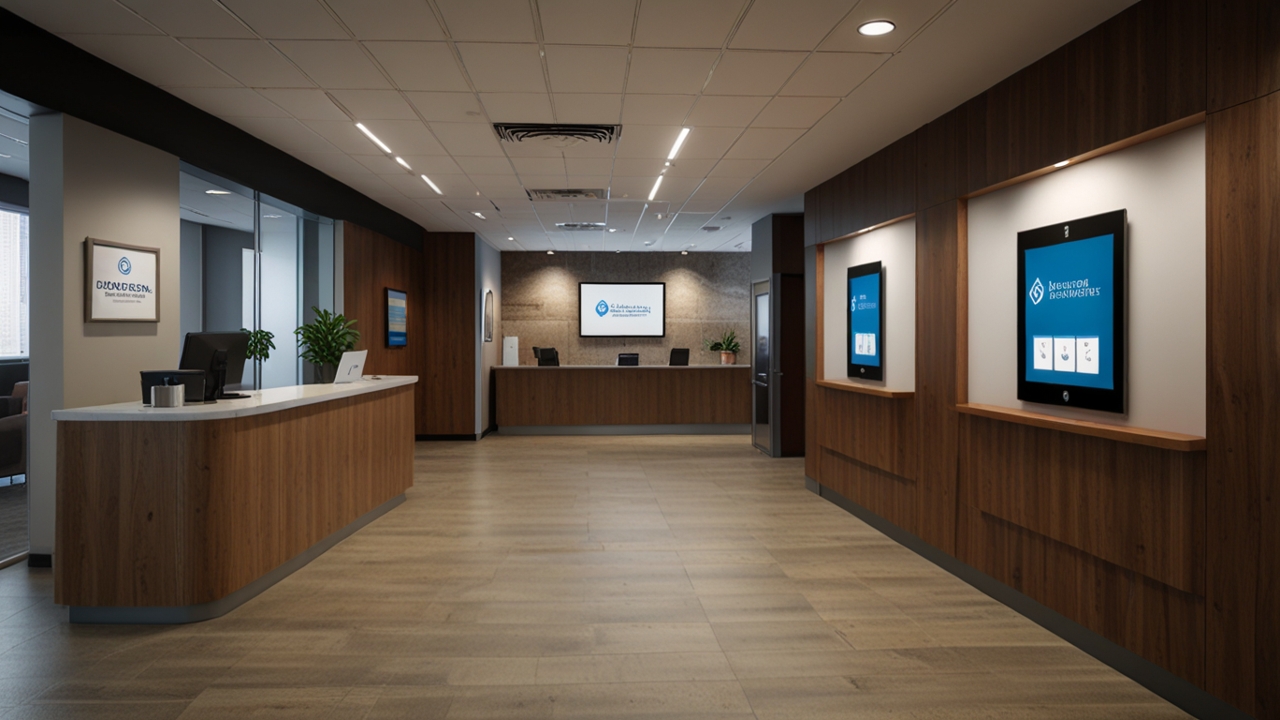
Workplace flow extends beyond employees to include visitors, contractors, and partners. A seamless access experience for non-employees reduces disruptions and reflects positively on the organization. Clear access pathways, automated visitor registration, and temporary credentials ensure that visitors move efficiently without compromising security.
When visitor access is poorly managed, employees are often interrupted to escort guests or resolve access issues. This breaks concentration and slows operations. Integrated access control systems streamline the visitor journey while maintaining oversight, allowing employees to remain focused on their work.
Ultimately, the connection between workplace flow and access control is about creating an environment where movement feels natural and secure. When access systems are thoughtfully designed and aligned with operational goals, they enhance efficiency, reduce friction, and support a productive workplace culture for everyone involved.
RELATED POSTS

Eliminating Bottlenecks: Visitor Check-In Optimization
Workplace bottlenecks often begin at the front door. Visitor check-in may seem like a small operational detail, but it sets the tone for the entire workplace experience. When visitors arrive and encounter long lines, confusing instructions, or manual paperwork,...

Why Reception Efficiency Impacts Business Reputation
The reception area is the first physical and human point of contact between a business and the outside world. Before a client evaluates your product quality, pricing, or expertise, they subconsciously assess how organized, responsive, and professional your front desk...

How Visitor Systems Improve Employee Productivity
The front desk is often where productivity silently breaks down. In traditional workplaces, visitor registration involves paper logbooks, manual badge writing, phone calls to locate employees, and repeated questions that slow everyone down. These small interruptions...

The Cost Savings of Going Digital with Access Passes
Traditional access systems—such as plastic ID cards, paper visitor logs, and manual check-in processes—have long been the backbone of corporate security. However, these systems come with significant ongoing costs that are often underestimated. Businesses spend...