
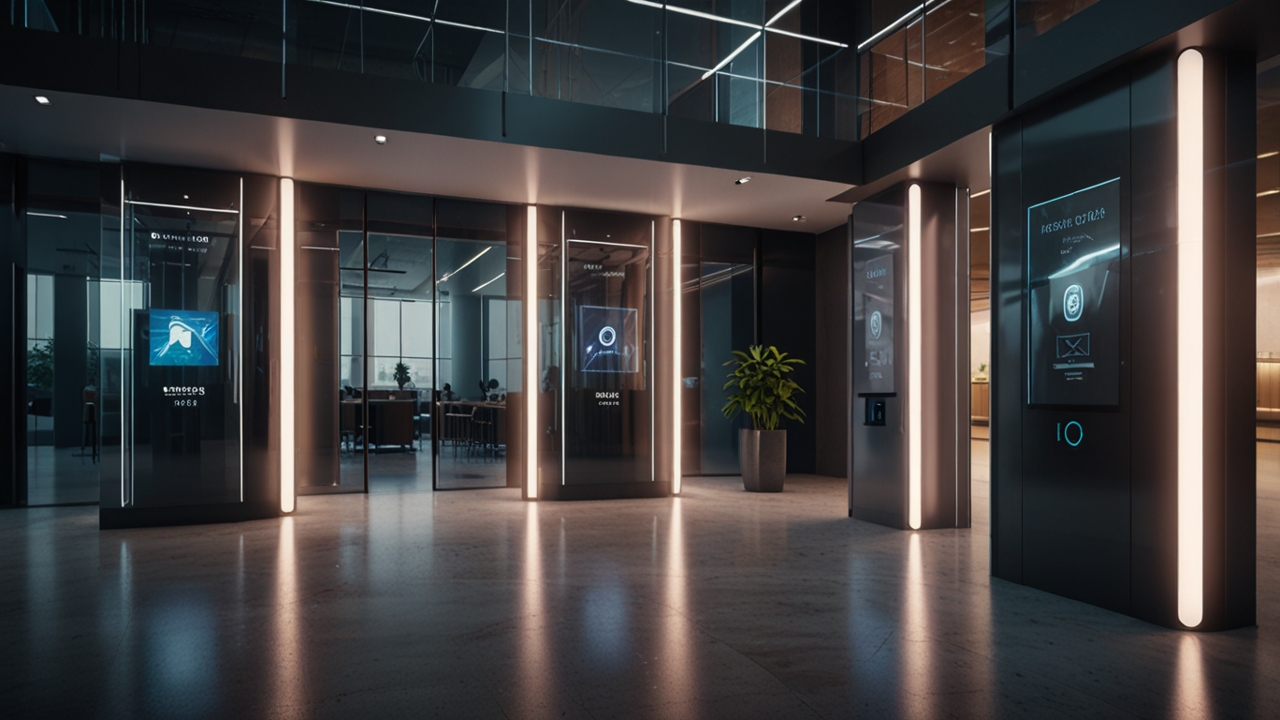
Artificial intelligence is radically transforming the landscape of visitor management systems, transitioning the process from simple sign-in sheets to dynamic, fully automated visitor experiences. Traditional visitor management relied heavily on manual input, physical logs, and security personnel to validate identities. AI eliminates these inefficiencies by introducing smart data processing, instant verification, and automated workflows—making visitor onboarding faster, more secure, and highly accurate. As organizations embrace digital transformation, AI becomes the engine driving improved accessibility, seamless entry, and better control over facility security.
Machine learning enhances this evolution by continuously learning from visitor data, behavior, and patterns. With each visitor interaction, the system becomes more refined in identifying potential risks, predicting peak visitor hours, and optimizing lobby operations. This shift from reactive to predictive management gives organizations the ability to anticipate needs and threats before they pose issues. Through ML-driven analytics, visitor management transforms into an intelligent, self-improving process capable of evolving as the environment changes.
In modern workplaces, AI-driven visitor management also supports hybrid and flexible work arrangements. Visitor journeys—whether for employees, contractors, or guests—are personalized with automated invitations, mobile credentials, and contextual access permissions. Organizations no longer need to manually approve or track entries because AI can correlate visitor profiles with access requirements, ensuring the right people enter the right spaces at the right time. This progression marks a significant shift toward operational efficiency and elevated security across industries.
AI-Powered Identity Verification and Security

One of the most impactful contributions of AI and machine learning to visitor management is the advancement of identity verification technologies. AI-powered tools such as facial recognition, document scanning, and biometric authentication drastically reduce the risk of unauthorized access. These systems analyze facial structures, compare them with pre-registered profiles, and validate identities within seconds. Unlike manual checks, AI ensures accuracy by eliminating human error, fatigue, or oversight—crucial factors when dealing with large visitor volumes or high-security facilities.
Machine learning algorithms further improve identity checks by learning from repeated visitor interactions. As more data is processed, the system becomes proficient in detecting forged documents, mismatched IDs, or suspicious activity patterns. This continuous learning capability allows the system to adjust to new types of fraud attempts, making identity verification more resilient and adaptive. ML-based anomaly detection ensures that unusual behavior, such as frequent unannounced visits or attempts to bypass protocols, is flagged immediately.
AI-enhanced security doesn’t stop at verification—it also extends to monitoring and access control. With AI-driven video analytics, security teams can track real-time behavior, detect unauthorized tailgating, and ensure compliance with safety regulations. These automated systems work around the clock, providing consistent surveillance without the limitations of manual monitoring. Combined with real-time alerts and automated incident reporting, AI establishes a proactive security landscape that strengthens organizational defense from entry to exit.
Machine Learning for Predictive Visitor Insights
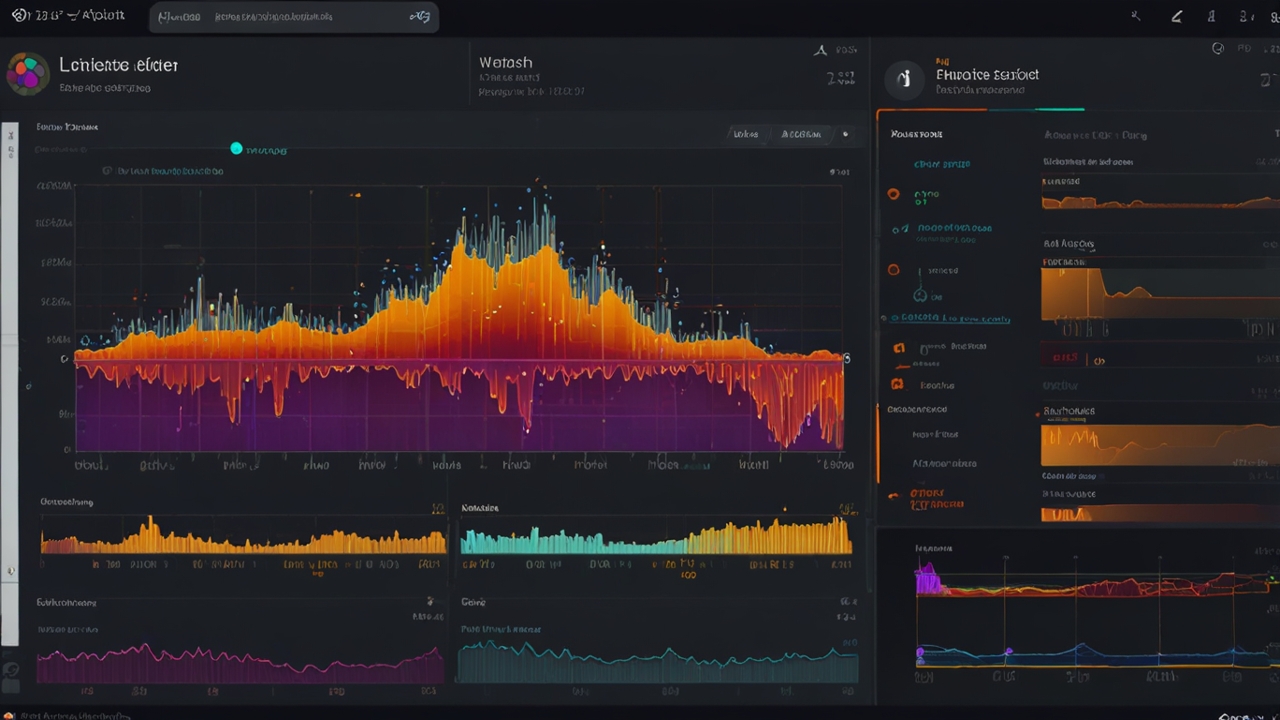
Machine learning enables organizations to gain deep insights into visitor behavior, trends, and requirements through advanced predictive analytics. By analyzing historical data—such as check-in times, visitor frequency, and categories of visits—ML models can forecast upcoming visitor flows, helping organizations allocate resources more effectively. This foresight is invaluable for environments like corporate offices, hospitals, factories, and government buildings where smooth visitor handling is essential for daily operations.
Predictive insights also help organizations optimize staffing and scheduling. If the system identifies patterns indicating high visitor traffic during certain days or seasons, managers can ensure that reception teams, security personnel, and support staff are properly deployed. This reduces bottlenecks, minimizes waiting times, and enhances overall visitor satisfaction. Machine learning shifts visitor management from reactive to strategically proactive, allowing organizations to stay ahead of operational demands.
Beyond logistics, ML-driven insights help businesses enhance personalization. By identifying the types of visitors frequenting a facility—whether clients, vendors, or internal teams—the system can suggest tailored communication and experiences. For example, VIP clients may be offered express check-ins, dedicated meeting spaces, or tailored arrival instructions. These data-powered interactions improve the visitor journey and strengthen professional relationships, making visitor management an essential part of brand experience.
Automation and Contactless Systems in Modern Facilities
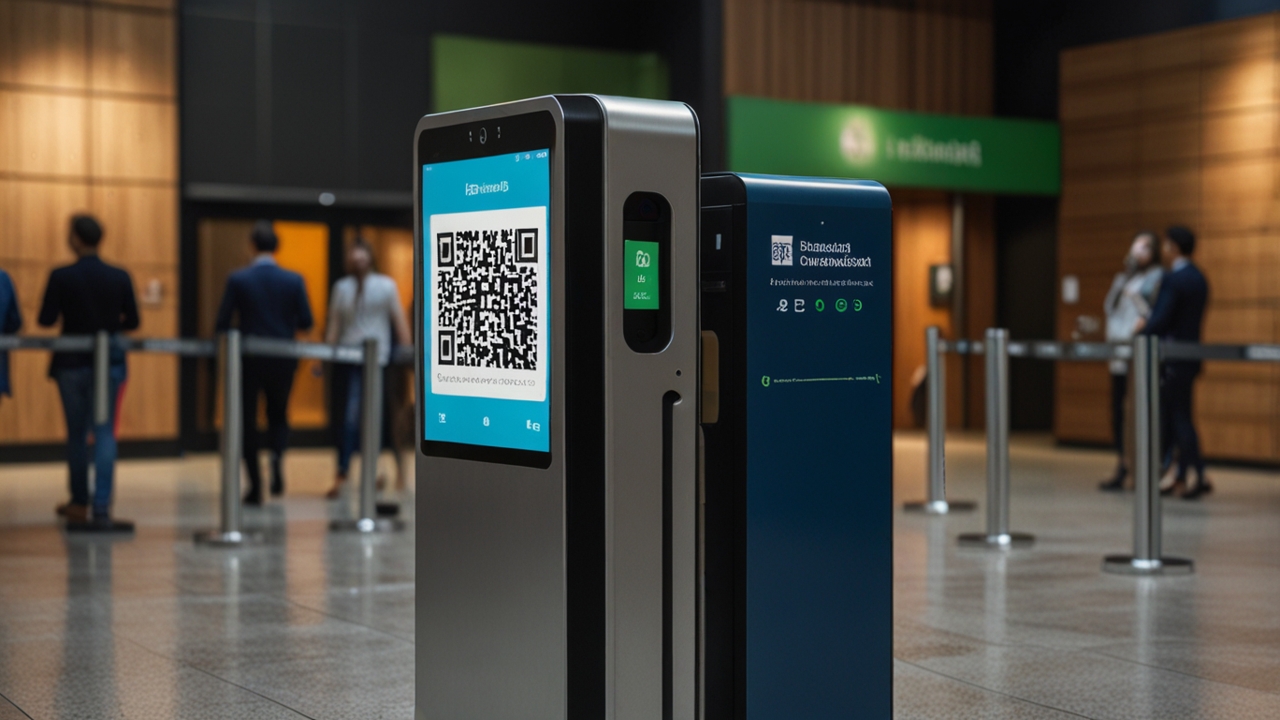
Automation is becoming a cornerstone of modern visitor management systems, driven by the capabilities of AI and machine learning. Contactless check-in solutions such as QR codes, digital badges, and mobile access credentials are quickly replacing traditional reception desks. Visitors can receive automated invitations, complete pre-registration online, and enter facilities without human assistance. This reduces congestion in lobbies, speeds up entry processes, and ensures that visitor records are digitally stored and easily accessible.
AI-driven automation extends beyond check-ins to access control. Once a visitor’s identity is validated, the system can unlock specific doors, restrict unauthorized areas, and monitor movement throughout the facility. Machine learning enhances this process by analyzing which areas visitors typically access, ensuring permissions are always accurate and up to date. Automation also ensures that security protocols—such as fire safety compliance or equipment restrictions—are automatically enforced based on visitor profiles.
Contactless systems gained significant importance following global health concerns, and AI-powered solutions continue to support safer interactions. Automated temperature checks, health questionnaires, and behavior-monitoring tools ensure that facilities maintain compliance with safety standards. By combining AI automation with contactless interfaces, organizations create a seamless, hygienic, and efficient visitor experience that aligns with modern operational expectations.
Future-Proofing Visitor Management with Advanced AI Technologies
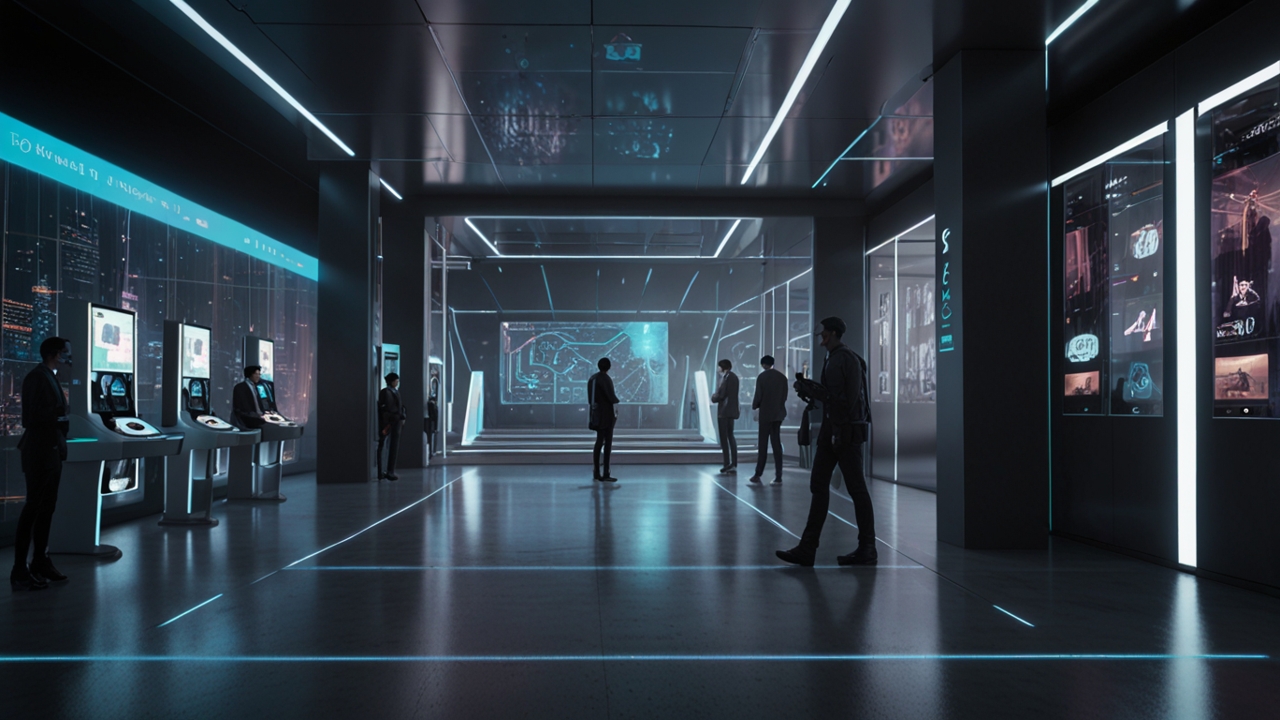
The future of visitor management will be driven by advancements in AI technologies that integrate even deeper into facility operations. Natural language processing (NLP), for example, will allow visitors to interact with virtual receptionists capable of answering questions, processing requests, and guiding guests throughout the building. These AI receptionists can respond to real-time changes and provide multilingual support, enhancing accessibility for global visitors.
Robotics will also play a key role as organizations begin to adopt autonomous machines capable of escorting visitors, delivering documents, or providing directions. With embedded AI, these robots can navigate complex environments, avoid obstacles, and communicate with humans in natural, intuitive ways. Combined with cloud-based AI systems, robots can access visitor schedules, verify identity credentials, and enhance security through continuous mobility.
In the long term, AI and ML will enable truly intelligent, adaptive visitor ecosystems. Systems will predict visitor needs before arrival, adjust environmental settings such as lighting or temperature based on guest profiles, and synchronize with transportation services for smooth arrival and departure. Facilities will transition from static infrastructures to dynamic, data-driven environments that respond intelligently to every visitor. This level of integration positions AI as a foundational pillar of future-ready organizations.
RELATED POSTS

How Virtual Reality Could Change Visitor Experiences
Virtual Reality is poised to fundamentally change how visitors form their first impressions of a space, brand, or experience. Instead of relying solely on physical environments or static visuals, organizations can introduce visitors to immersive digital worlds that...

Blockchain in Visitor Data Security: What’s Next?
Visitor management systems are undergoing a fundamental transformation as organizations confront rising concerns around data privacy, identity theft, and unauthorized access. Traditional centralized databases have long been vulnerable to breaches, insider threats, and...

How Visitor Logs Support Regulatory Audits
Visitor data security has become a critical concern as organizations collect increasing volumes of personal information through digital check-ins, access control systems, and integrated visitor management platforms. Traditional centralized databases, while efficient,...

Why Visitor Management is Key in the Era of Hybrid Work
Hybrid work has permanently changed how offices function, shifting from predictable daily occupancy to fluctuating attendance patterns. Employees now move between remote and in-office work, resulting in dynamic visitor flows that traditional front-desk systems were...