
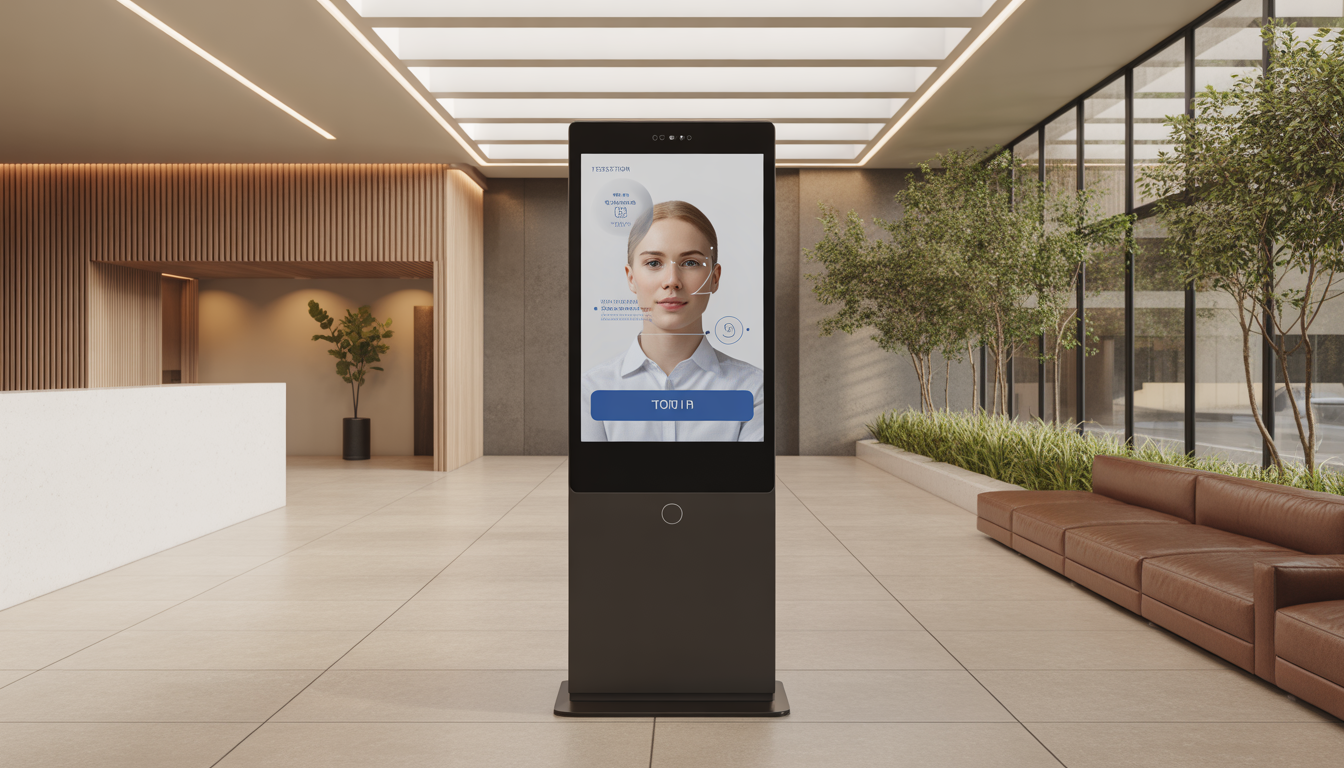
Visitor check-in systems have undergone a significant transformation over the past few decades, evolving from simple paper logbooks to advanced digital platforms that streamline the entire process. Traditionally, visitors were required to manually write their names, purpose of visit, and time of entry in a physical logbook. This method was not only time-consuming but also prone to human error, illegible handwriting, and security vulnerabilities. As businesses and institutions grew, the need for a more efficient, secure, and scalable solution became evident, leading to the adoption of digital check-in kiosks and software-based systems.
With the integration of modern technologies, visitor management systems began incorporating features such as QR codes, pre-registration, and ID scanning. These improvements reduced wait times and improved data accuracy, but they still relied heavily on manual input or physical interaction. In high-traffic environments like corporate offices, hospitals, and government facilities, even minor delays could create bottlenecks and negatively impact the visitor experience. This is where facial recognition technology emerged as a game-changing innovation, offering a seamless and contactless solution.
Facial recognition takes visitor check-ins to a new level by eliminating the need for physical touchpoints and manual data entry. By simply capturing and analyzing facial features, the system can instantly identify or register a visitor within seconds. This advancement not only enhances efficiency but also aligns with modern expectations for speed, convenience, and hygiene. As organizations continue to prioritize both security and user experience, facial recognition is quickly becoming a cornerstone of next-generation visitor management systems.
How Facial Recognition Technology Works in Check-Ins

Facial recognition technology operates by capturing an image of a person’s face and analyzing distinct facial features such as the distance between the eyes, nose shape, jawline, and other unique identifiers. These features are converted into a digital template, often referred to as a facial signature. When a visitor approaches a check-in system equipped with this technology, the camera scans their face and compares it against a stored database to verify their identity or create a new entry if they are a first-time visitor.
The process is powered by advanced algorithms and artificial intelligence, which ensure high accuracy and speed. Modern systems are capable of recognizing faces even in varying lighting conditions, different angles, or minor changes in appearance such as glasses or facial hair. This adaptability makes facial recognition highly reliable in real-world environments where conditions are not always controlled. Additionally, many systems use liveness detection to prevent spoofing attempts using photos or videos, further strengthening security.
Integration with existing visitor management platforms allows facial recognition to automate several steps in the check-in process. For example, once a visitor is recognized, the system can automatically notify the host, print a badge, or grant access to specific areas. This seamless interaction between hardware and software eliminates redundancies and reduces the need for human intervention. As a result, organizations can achieve a faster, more secure, and highly efficient check-in process without compromising user convenience.
Benefits of Facial Recognition for Visitor Management

One of the most significant advantages of facial recognition in visitor check-ins is the speed it offers. Traditional methods often involve queues, manual data entry, or scanning documents, which can be time-consuming and frustrating for visitors. Facial recognition reduces the entire process to just a few seconds, allowing individuals to check in effortlessly without any physical interaction. This is especially beneficial in high-traffic environments where efficiency is critical to maintaining smooth operations.
Another key benefit is enhanced security. Unlike ID cards or QR codes, which can be lost, stolen, or shared, facial recognition relies on unique biological characteristics that are difficult to replicate. This ensures that only authorized individuals can gain access to a facility. Additionally, the system maintains accurate digital records of all entries and exits, providing organizations with a reliable audit trail. This level of security is particularly important in sensitive environments such as corporate headquarters, data centers, and government institutions.
Facial recognition also improves the overall visitor experience by creating a more personalized and professional interaction. Returning visitors can be recognized instantly, allowing systems to greet them by name or recall their previous visits. This creates a sense of familiarity and efficiency that enhances the perception of the organization. Furthermore, the contactless nature of the technology aligns with modern health and safety standards, making it an ideal solution in a world that increasingly values hygiene and minimal physical contact.
Privacy and Ethical Considerations

Despite its many advantages, facial recognition technology also raises important privacy and ethical concerns that organizations must address. One of the primary issues is the collection and storage of biometric data, which is highly sensitive and personal. Unlike passwords or ID cards, facial data cannot be easily changed if compromised, making it essential for organizations to implement robust data protection measures and comply with relevant privacy regulations.
Transparency is another critical factor in the ethical use of facial recognition. Visitors should be informed about how their data is being collected, stored, and used. Clear consent mechanisms must be in place to ensure that individuals have control over their personal information. Organizations should also provide alternatives for those who are uncomfortable with facial recognition, ensuring that no one is excluded or disadvantaged by the technology.
There is also the challenge of bias and accuracy in facial recognition systems. Studies have shown that some algorithms may perform less accurately on certain demographics, leading to potential misidentification. To address this, organizations must choose reliable and well-tested solutions, regularly audit system performance, and ensure continuous improvement. By taking a responsible and transparent approach, businesses can balance innovation with ethical considerations and build trust among their visitors.
The Future of Facial Recognition in Visitor Check-Ins

The future of facial recognition in visitor management is poised for rapid growth as technology continues to advance and become more accessible. Emerging innovations such as edge computing and cloud-based processing are making systems faster, more scalable, and easier to deploy across multiple locations. This means that even small and medium-sized businesses can leverage facial recognition to enhance their check-in processes without significant infrastructure investments.
Integration with other smart technologies is also shaping the future of visitor check-ins. Facial recognition systems can be combined with access control, surveillance, and building management systems to create a fully connected environment. For example, a recognized visitor could automatically gain access to specific floors, trigger personalized settings in meeting rooms, or receive real-time navigation assistance within a facility. This level of automation and personalization represents a significant leap forward in how organizations manage and interact with visitors.
As adoption increases, we can expect further improvements in accuracy, speed, and user acceptance. Advances in artificial intelligence will continue to refine facial recognition algorithms, making them more reliable and inclusive. At the same time, stricter regulations and standards will likely emerge to ensure responsible use of the technology. Ultimately, facial recognition is not just a trend but a transformative force that is redefining visitor check-ins, making them smarter, safer, and more efficient for both organizations and their guests.
RELATED POSTS

Mobile-Friendly Visitor Check-In: A Game-Changer
Mobile-friendly visitor check-in systems are transforming the very first interaction a guest has with a business. Instead of waiting at a reception desk, filling out paper forms, or navigating confusing sign-in processes, visitors can now check in directly from their...

Trends in Smart Building Access Control for 2025
Smart building access control in 2025 is increasingly defined by artificial intelligence playing a central operational role rather than acting as a supporting feature. AI-driven systems now analyze access behavior patterns in real time, learning how individuals move...

How Cloud Technology Improves Visitor Tracking
Cloud technology has completely reshaped how organizations monitor and manage visitor movement in real time. Unlike traditional on-premise systems, cloud-based visitor tracking platforms allow data to be collected, processed, and accessed instantly from multiple...

The Role of IoT in Modern Access Control Systems
The Internet of Things has transformed traditional access control from static, hardware-based security into an intelligent and interconnected ecosystem. Instead of relying solely on physical keys, access cards, or standalone biometric scanners, IoT-enabled access...